
Workwear
Shirts and aprons
Shirts and aprons are the intermediate product that serve both corporate appearance and protection of clothing. Hygiene leads in the laboratory, spark and chemical protection in the workshop, and corporate identity in service areas.
- Main group
- Workwear
- Product types
- 6
- Standards
- EN 1149 · EN ISO 13688
- Industries
- 1
In aprons the application decides the material: leather or flame-retardant fabric for welding, liquid-proof coated fabric for food and cleaning, antistatic yarn for electronics manufacturing.
In work shirts, collar shape and pocket layout are built around corporate identity; easy-iron, crease-resistant fabrics make daily use simpler.
The critical point in an apron is how it is fastened. Neck-loop models are quick to put on but cause neck strain over long wear; cross-back strap models spread the load across the shoulders and are far more comfortable across a shift. In kitchens and laboratories, where aprons are worn all day, this detail decides comfort.
On a work shirt, the collar form drives the corporate impression. A stiff collar looks formal but is uncomfortable in heat; a soft collar creases by the end of the day. The middle answer is a removable collar stay, which holds shape without ironing.
Products in this group
- Laboratory coat with antistatic yarn
- Liquid-proof coated apron
- Leather or FR fabric welding apron
- Easy-iron work shirt fabrics
- Corporate colour and chest embroidery
Related standards
2 Standard
EN 1149
Electrostatic properties — antistatic clothing
EN ISO 13688
General requirements for protective clothing
Products in this group
06- Work shirt
- Antistatic apron
- Laboratory coat
- Waterproof apron
- Welding apron
- Workshop coat
Industries we serve
Related product groups
Workwear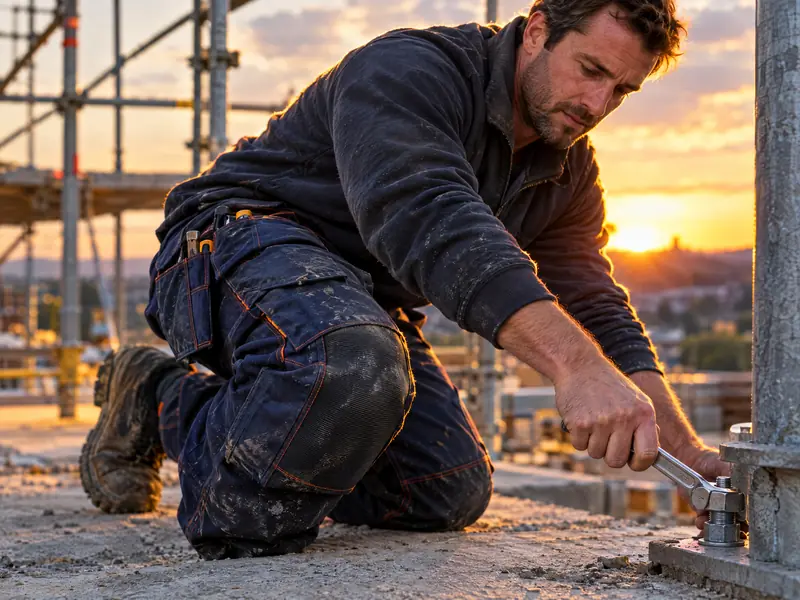
The hardest-worked piece on site: pattern, weight and reinforcement decide it.
See details

Frequently asked questions
When is an antistatic apron needed?
Wherever electronic assembly, precision instrument manufacturing or static discharge could damage the product or the environment. Products under EN 1149 are made for this purpose.
Why are laboratory coats white?
So that soiling and chemical splashes are immediately visible. White is also the colour most tolerant of hot washing and bleaching; coloured fabrics fade under the same treatment.
Does a welding apron have to be leather?
For heavy welding, yes; spattering molten metal pierces fabric, whereas leather scorches but holds. For light welding and grinding, a flame-retardant fabric apron is sufficient and far lighter.
Which blend suits a work shirt?
A high polyester content creases less but traps heat; a high cotton content breathes but creases within hours. The blend follows the room's ventilation and the length of the shift.
Neck loop or cross-back apron?
A neck loop is quick to put on but strains the neck over long wear. Cross-back straps spread the load across the shoulders and are noticeably more comfortable across a full shift.
Request a quote for this group
Tell us your headcount, the hazards on site and your delivery schedule; we will work out the fabric options, branding and pricing together.
Currently for corporate supply and wholesale custom production; retail coming soon.
Quote request
Fill in the form and we will come back to you the same working day. You can also reach us on WhatsApp.