

Product groups
Technical protective clothing
Technical protective clothing is workwear whose fabric and construction have been tested to reduce a specific hazard. Here the garment's job is not just to cover: it must deliver measurable protection against heat, sparks, electric arc, static charge, poor visibility or chemical splash.
- Sub-groups
- 6
- Product types
- 45
- Standards
- 9
- Product groups
- Product groups
Sub-groups

Retardant fabric against heat, spark and electric arc hazards.
See details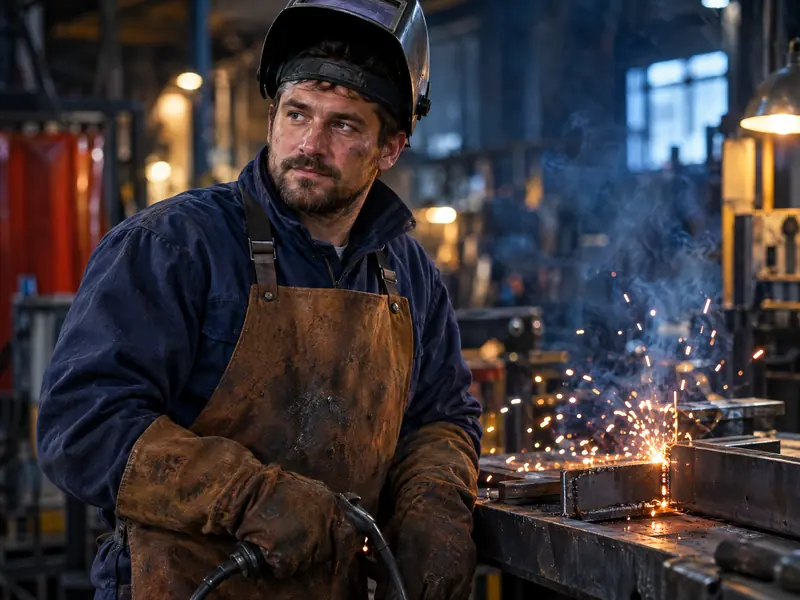

For places where static discharge damages the product or the site.
See details
The group that raises visibility in poor light and vehicle traffic.
See details
From cold store to open site: layers that keep the heat in.
See details
A barrier against liquid chemical splash, dust and contamination.
See details
Every product in this group is tied to a standard, and the standard tells you which test conditions the product has passed. Which standard you need, though, is decided by the site, not the product: in the same plant, a welding crew and a team working in front of a switchboard need different things.
Details are part of performance here. External pockets, metal fittings, sewing thread and zip flaps are all shaped by what the standard requires, and any print or embroidery must be applied in a way that does not compromise the fabric's protective properties.
Washing affects performance too. In flame-retardant and high-visibility products, performance can drop as wash counts rise, so replacement cycles are planned against the care label.
Related standards
9 Standard
EN ISO 20471
High-visibility warning clothing
EN ISO 11612
Protective clothing against heat and flame
EN ISO 11611
Protective clothing for welding and allied processes
EN ISO 14116
Protection against limited flame spread
EN 1149
Electrostatic properties — antistatic clothing
EN 13034
Limited protection against liquid chemicals (Type 6)
EN 343
Protective clothing against rain
EN 342
Protective ensembles against cold
EN 14058
Protective clothing for cool environments
Frequently asked questions
Can a logo be printed on flame-retardant clothing?
Yes, but the application must use a material and method that does not compromise the fabric's protection. For this group we use suitable embroidery thread or flame-retardant transfers.
Can one garment meet more than one standard?
Yes. On a welding site, for instance, a product may meet both EN ISO 11611 and EN ISO 11612 requirements. The combination is set by hazard assessment.
Which standard should I look at for protective clothing?
It depends on the risk: high visibility, flame, welding, antistatic, chemical and cold each have their own. The pictogram and code on the label show what the product was tested against; where risks combine, one fabric must satisfy all of them.
Is flame-retardant performance permanent?
Where protection comes from the fibre itself it lasts the life of the garment. On treated fabric it degrades after a set number of washes, so the cost should be calculated over service life rather than purchase price.
How should protective clothing be washed?
Without fabric softener or bleach; both leave a film on the fibre that increases flammability. Where industrial laundering is used, written instructions must be given to the facility.
Can one garment cover more than one risk?
Yes, multi-norm fabrics exist for exactly this. Flame retardancy and antistatic performance, for instance, are commonly required together in classified explosive atmospheres and are delivered in one fabric.
Request a quote for this group
Tell us your headcount, the hazards on site and your delivery schedule; we will work out the fabric options, branding and pricing together.
Currently for corporate supply and wholesale custom production; retail coming soon.
Quote request
Fill in the form and we will come back to you the same working day. You can also reach us on WhatsApp.