
Industries
Chemicals and pharmaceuticals
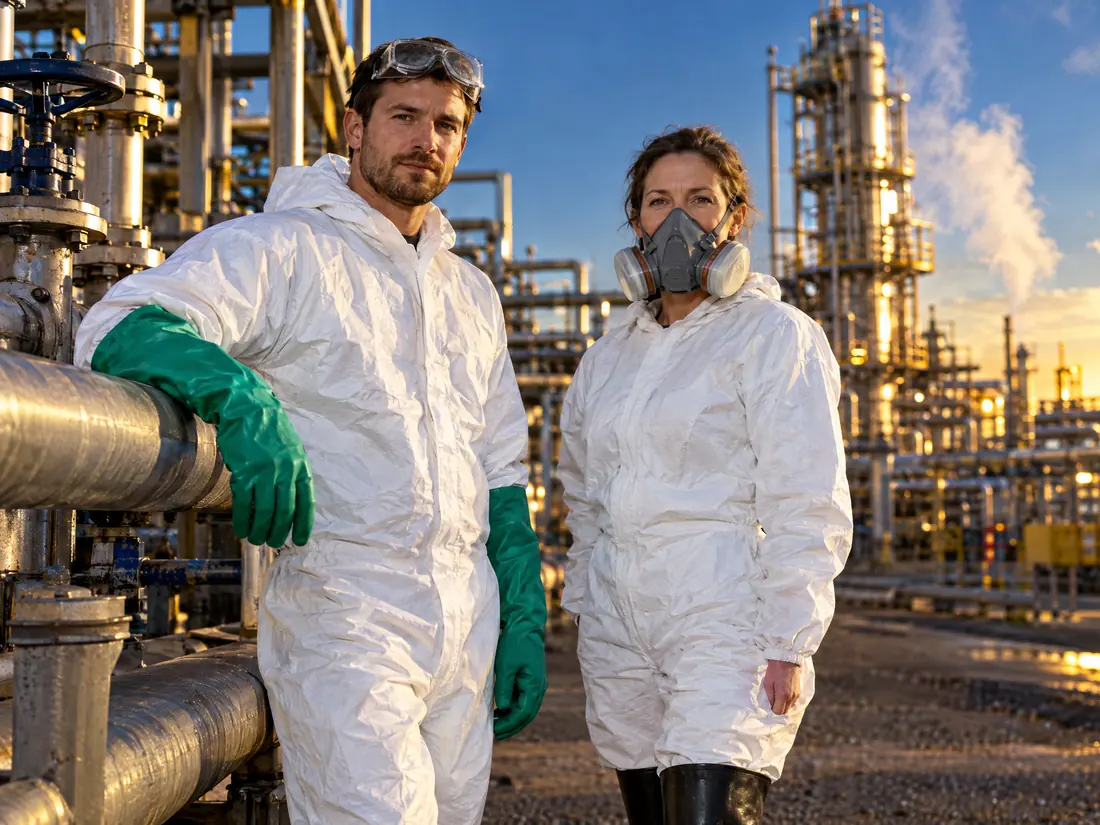
In chemical and pharmaceutical plants, protection is built around the substance handled. In the same facility one area may be dominated by splash risk, another by vapour exposure, a third by static charge.
- Related product groups
- 6
- Product types
- 40
- Industries
- Industries
- Get a quote
- Message us on WhatsApp
Protective coverall selection follows the data in the chemical's safety data sheet. Material, breakthrough time and form of contact are the three core criteria.
The weak point of the system is the joints: without taping at the glove-to-sleeve, hem-to-boot and hood-to-mask transitions, the barrier is not complete.
In areas with an explosive atmosphere classification, antistatic properties become mandatory and may be required together with flame retardancy.
Related product groups
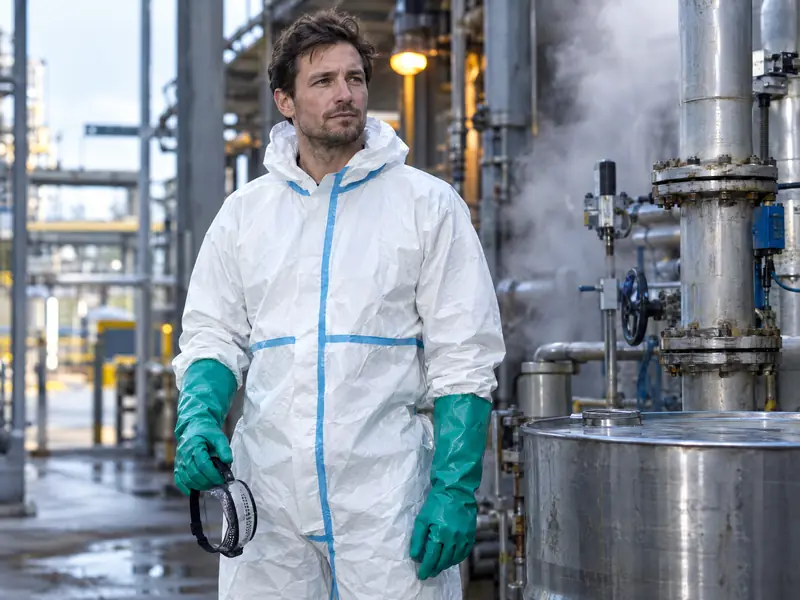
A barrier against liquid chemical splash, dust and contamination.
See details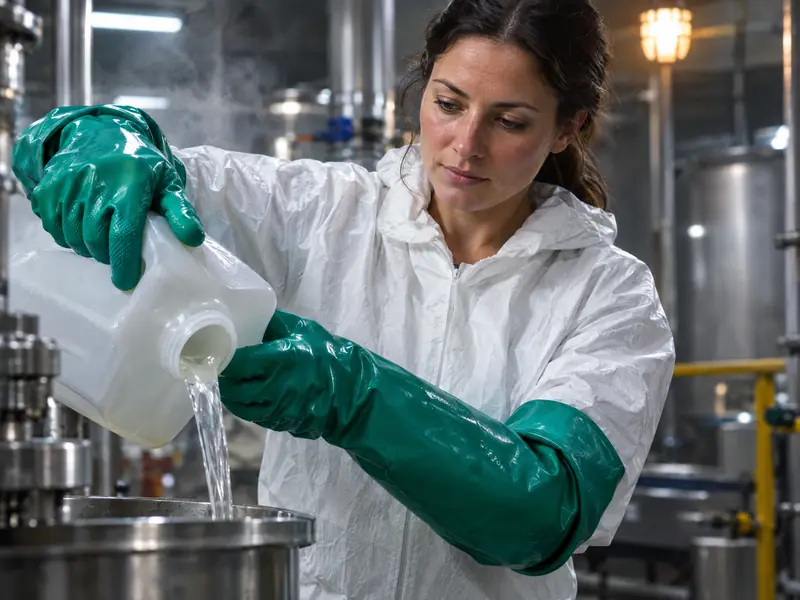
A group whose material is chosen against the chemical involved.
See details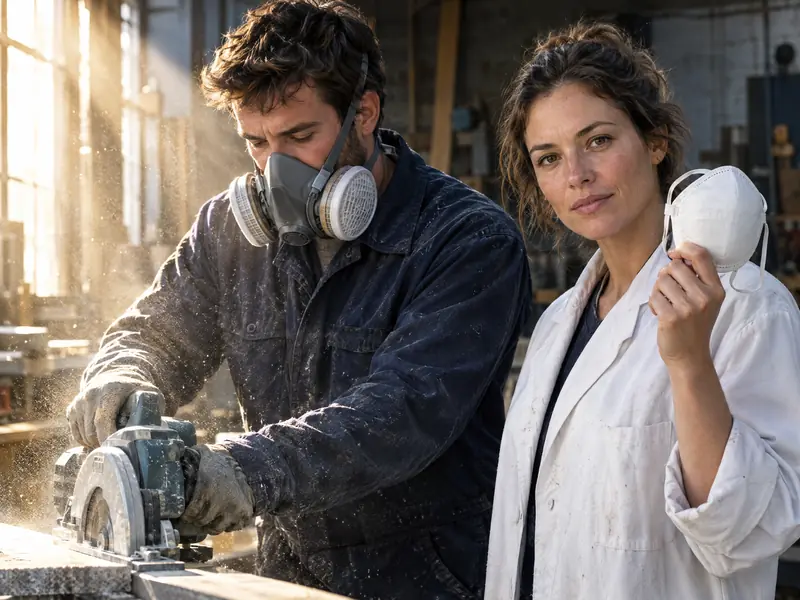
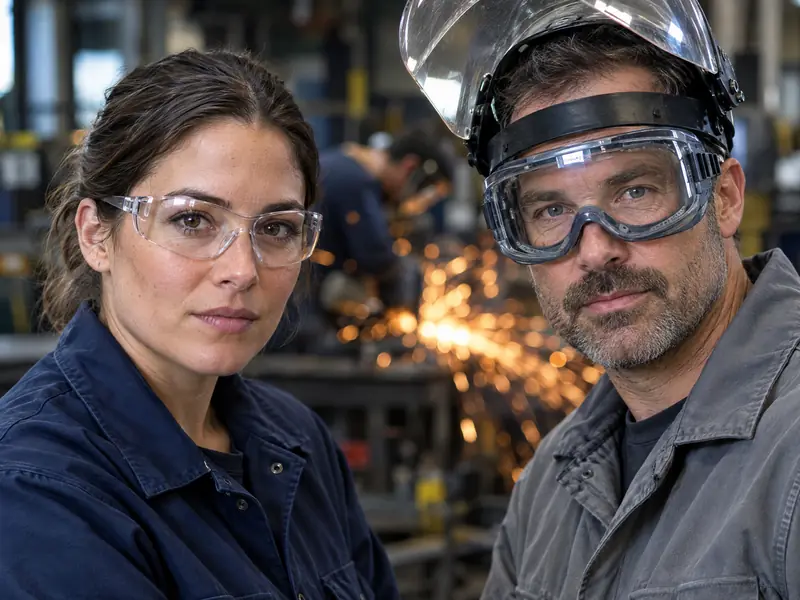
A barrier for eyes and face against swarf, dust, sparks and splash.
See details
For places where static discharge damages the product or the site.
See details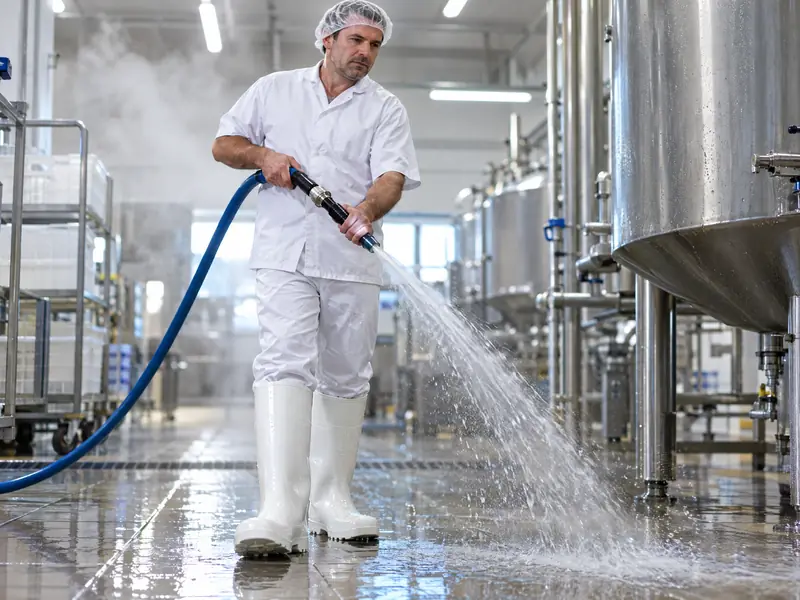
Frequently asked questions
Disposable coverall or reusable?
It depends on the type of exposure. Where chemical contact is heavy and repeated, a disposable product reduces contamination risk; where contact is light and occasional, reusable protective clothing is more economical.
What do chemical suit types mean?
The type shows which exposure the garment was tested against: liquid splash, liquid spray, dust or gas tightness. The type cannot be chosen before the exposure mode on site is established.
Which figure matters when choosing a chemical glove?
Breakthrough time and permeation rate, both measured against a named substance. A glove listed as compatible may give only ten minutes; working time is planned on that figure, not the label.
Can a chemical suit be reused?
Limited-use types are discarded after one exposure. Reusable types require a documented decontamination procedure and are withdrawn at any sign of swelling, softening or discolouration.
Why are wrists and ankles taped?
They are the most common entry points in splash work. Sealing them with tape or elasticated cuffs closes the weakest part of the system.
Is there a correct order for taking the suit off?
Yes, and it is part of the protection. A garment removed incorrectly transfers contamination from its outer surface to skin and clothing; a written sequence and a designated area are required.
Let's talk about what you need
Tell us your headcount, the hazards on site and your delivery schedule; we will work out the fabric options, branding and pricing together.
Currently for corporate supply and wholesale custom production; retail coming soon.
Quote request
Fill in the form and we will come back to you the same working day. You can also reach us on WhatsApp.