Product groups
Safety equipment
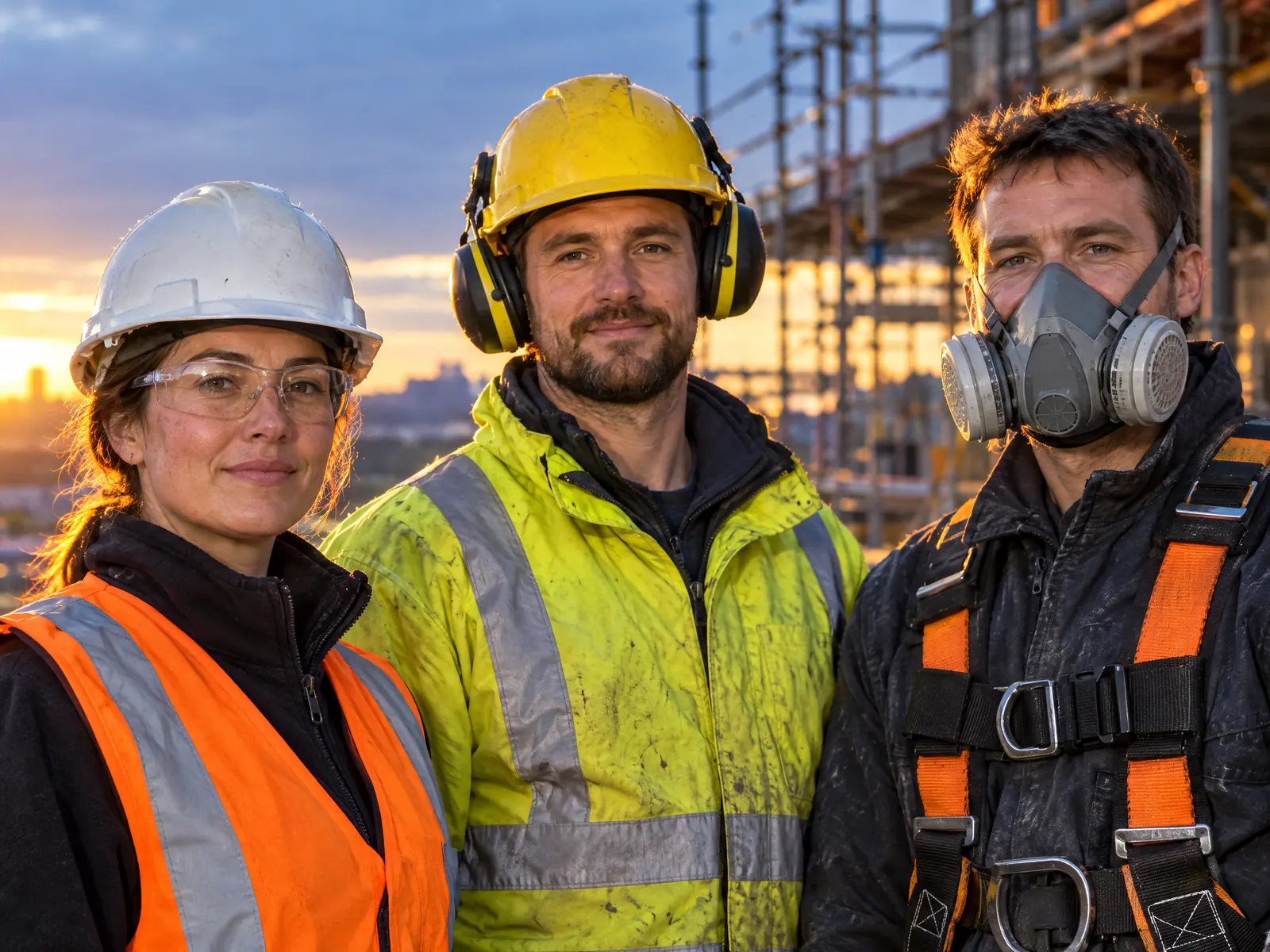
Safety equipment covers the products outside clothing that protect a specific part of the body — or the site itself. Head, eye, hearing and respiratory protection along with work-at-height equipment sit in this group.
- Sub-groups
- 6
- Product types
- 48
- Standards
- 6
- Product groups
- Product groups
Sub-groups

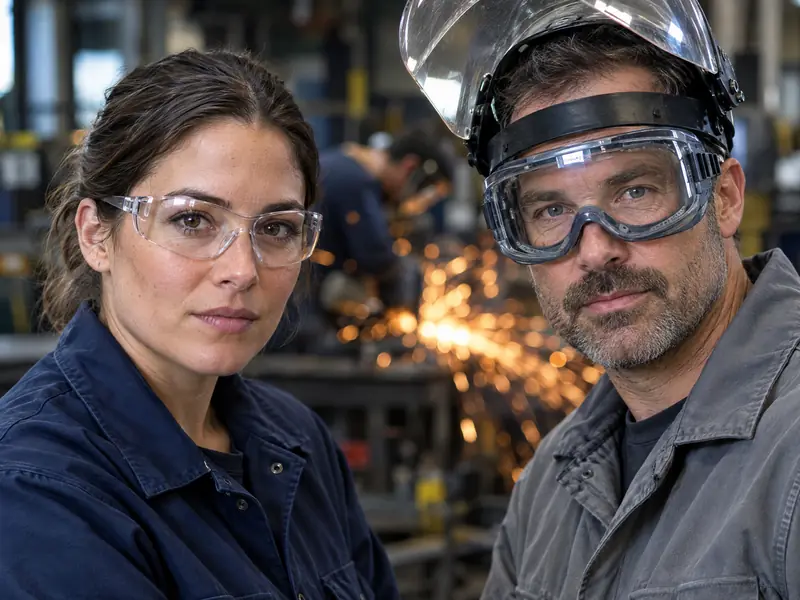
A barrier for eyes and face against swarf, dust, sparks and splash.
See details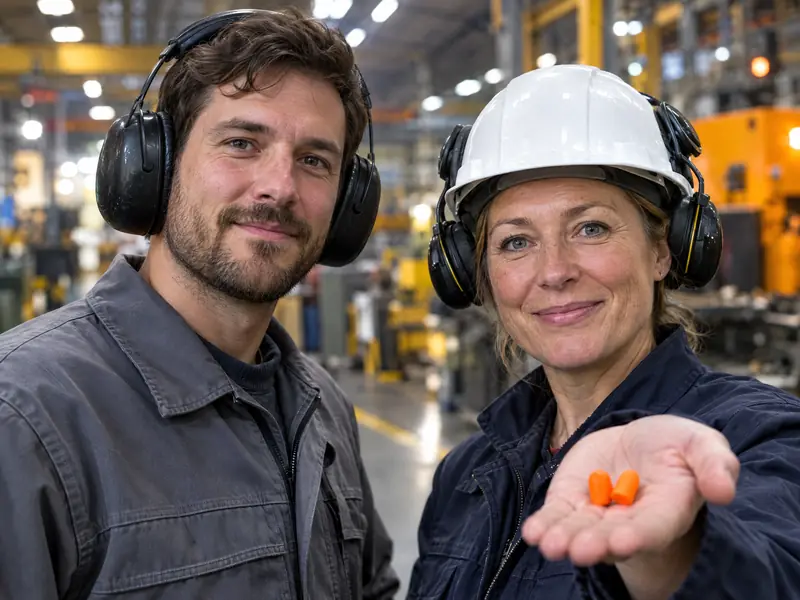
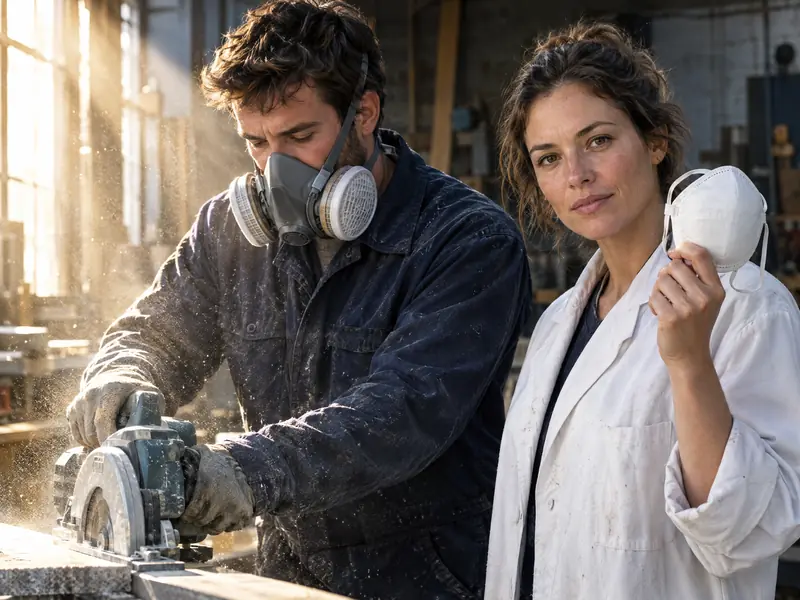
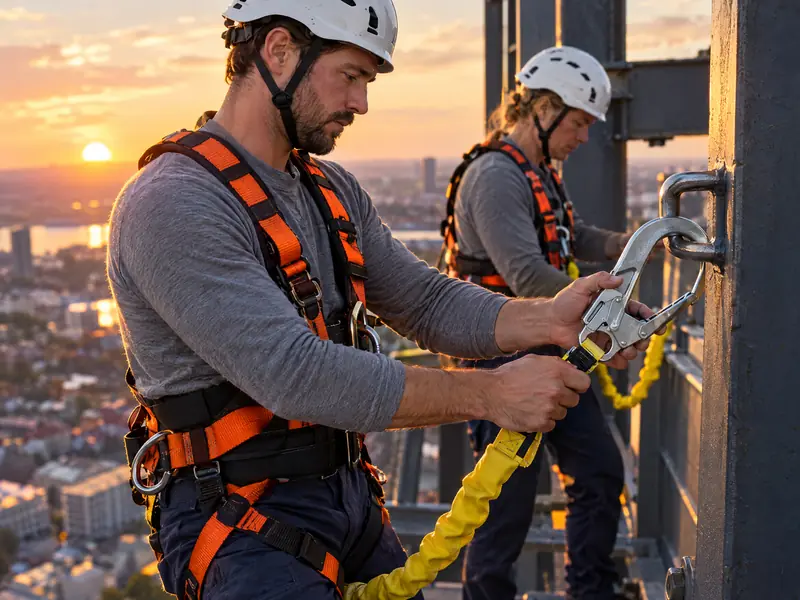
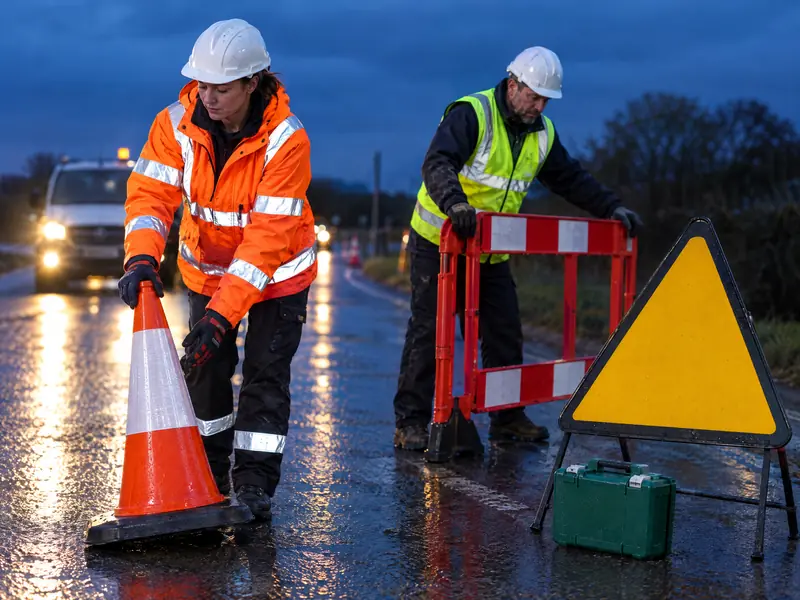
Compatibility between items is critical here: ear defenders that mount on a hard hat, a mask that can be worn with glasses, a lanyard that matches the harness. Products chosen correctly one by one give no protection at all if they cannot be worn together.
In work-at-height equipment the fall arrest system is a whole: anchor point, harness, lanyard and shock absorber are selected together. If any part is missing or incompatible, the rest stop working.
Service life and periodic inspection work differently from clothing. A hard hat that has taken an impact is replaced even without visible damage, and work-at-height equipment requires a regular inspection record.
Related standards
6 Standard
EN 397
Industrial safety helmets
EN 166
Personal eye protection
EN 352
Hearing protectors
EN 149
Filtering half masks (FFP)
EN 361
Full body harnesses
EN 358
Belts for work positioning and restraint
Frequently asked questions
How long does a hard hat last?
It depends on the manufacturer's instructions and conditions of use; sunlight, chemicals and impact shorten it. A hard hat that has taken an impact must be withdrawn even if it looks undamaged.
Ear defenders or ear plugs?
It depends on noise level, exposure duration and how the protection is used. Defenders suit work that requires frequent removal, plugs suit long exposure and hot environments; in both cases the noise reduction value is chosen against measurement.
Where do you start when selecting personal protective equipment?
With the risk assessment. Identify the hazard, try to reduce it at source, and treat personal protective equipment as the final layer, chosen against the hazard actually identified.
When should a helmet be replaced?
Any helmet that has taken a blow is withdrawn even with no visible damage, because energy absorption is a one-time function. Otherwise the manufacturer's service life applies, since the shell degrades under ultraviolet light.
What is the difference between FFP2 and FFP3?
Filtration efficiency and total inward leakage. FFP3 filters a higher proportion of fine particles and is required for the more hazardous dusts; the selection follows the substance, not general preference.
How often is a harness inspected?
Visually before every use and formally by a competent person at set intervals. Cut webbing, deformed hardware or any harness that has arrested a fall is withdrawn permanently.
Request a quote for this group
Tell us your headcount, the hazards on site and your delivery schedule; we will work out the fabric options, branding and pricing together.
Currently for corporate supply and wholesale custom production; retail coming soon.
Quote request
Fill in the form and we will come back to you the same working day. You can also reach us on WhatsApp.