
Industries
Construction and site work
A construction site manages falling objects, vehicle traffic, height and weather all at once. Site equipment is therefore built not as a single product but as a set that works together.
- Related product groups
- 8
- Product types
- 63
- Industries
- Industries
- Get a quote
- Message us on WhatsApp
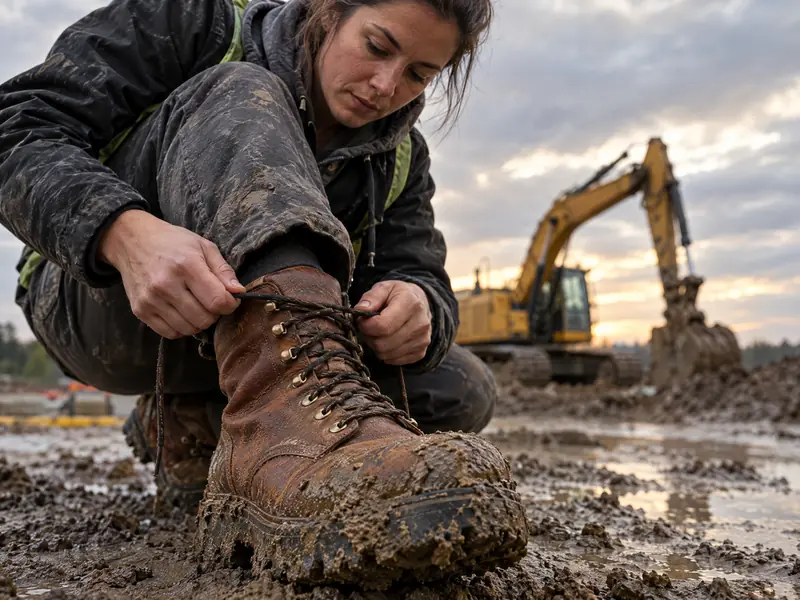
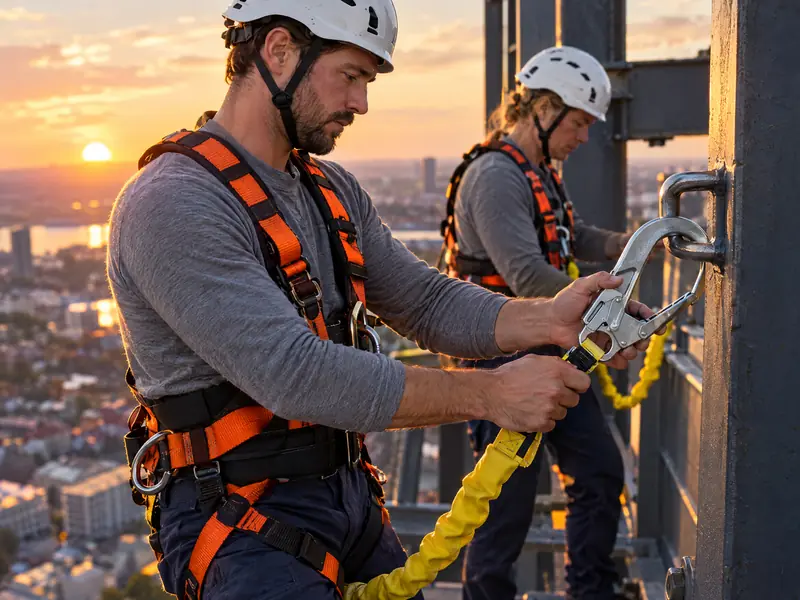
The basic kit is this: an upper layer that provides visibility, durable trousers, boots with a penetration-resistant midsole and a hard hat. Where there is height, a full body harness and a suitable lanyard are added.
Clothing has a short life on site; concrete, mud and abrasion wear fabric quickly. Replacement should be planned from the outset as periodic supply rather than a one-off purchase.
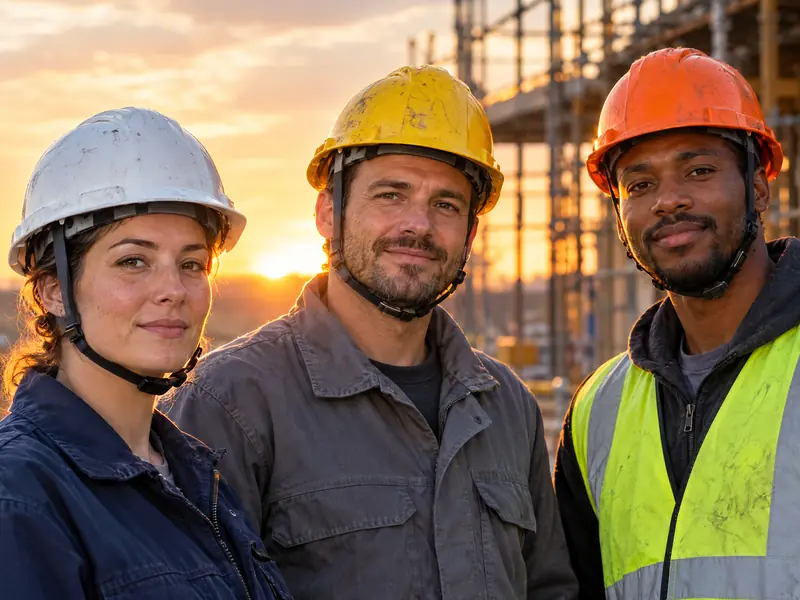
Subcontractor crews are separated by colour; when it can be read from a distance who belongs to which company, both safety and coordination improve.
Related product groups
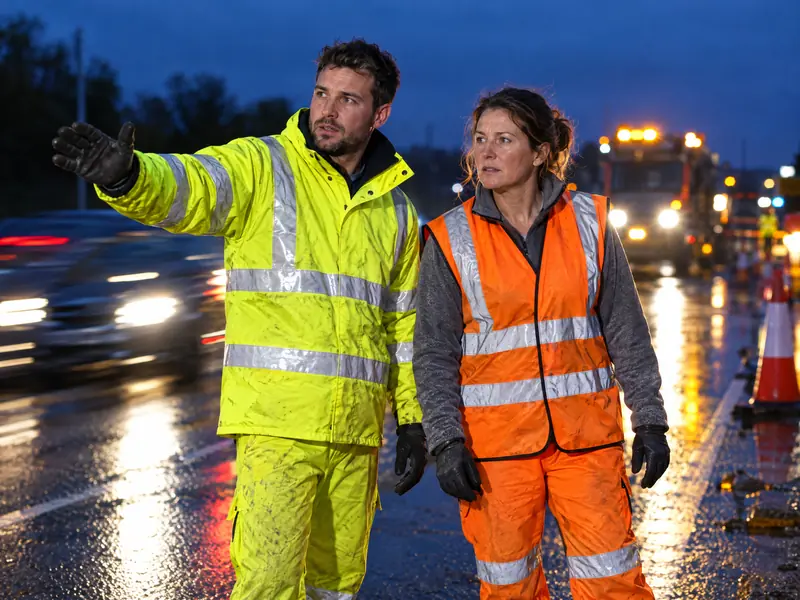
The group that raises visibility in poor light and vehicle traffic.
See details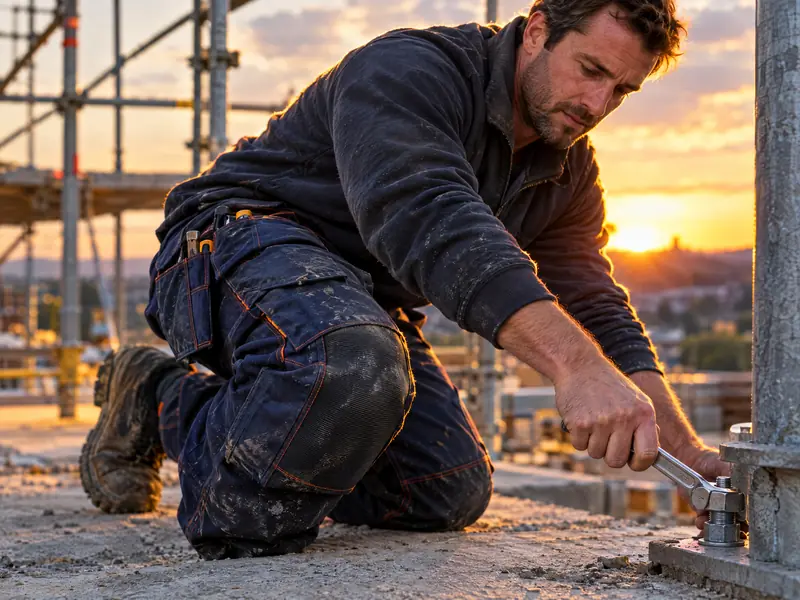
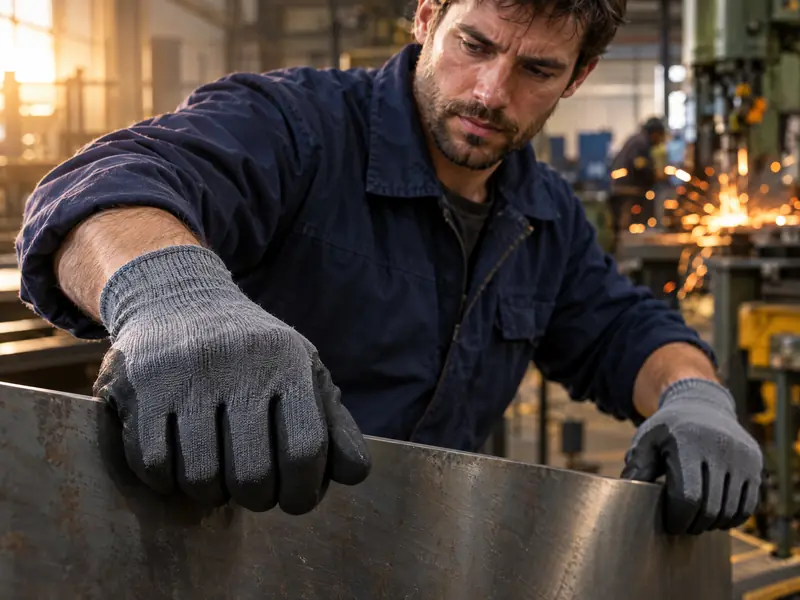
The hardest-worked piece on site: pattern, weight and reinforcement decide it.
See details
Frequently asked questions
Which visibility class is needed on a construction site?
The highest class is preferred where vehicle traffic is heavy and work is close to the road. A lower class may be enough indoors and in pedestrian-led sections; the decision follows hazard assessment.
Can you produce a different colour for subcontractors?
Yes. Different vest and helmet colours for main contractor, subcontractor and visitors is a common arrangement and can be produced in the same order.
Which workwear is mandatory on a construction site?
The requirement comes from the employer's risk assessment. On most sites a helmet, protective footwear and a high-visibility upper garment form the minimum set; welding, work at height and electrical tasks each add their own equipment on top.
Which visibility class does a construction site need?
Where vehicles move and lighting is poor, a higher class is required. A vest alone usually satisfies the lower class; for a higher class, hi-vis trousers or a full set are needed, because the visible area must hold up both standing and bending.
Which fabric suits construction workwear?
For structural work, a heavyweight cotton-polyester weave is the most balanced answer for abrasion and tear. In summer, rather than dropping the weight, add mesh ventilation at the back and underarms.
Why is the knee planned separately?
In formwork, plumbing and flooring, trousers tear at the knee first. Double fabric, a cordura reinforcement or a knee pad pocket extends service life noticeably.
Can subcontractor crews have their own colour?
Yes, and it is common practice. The pattern stays the same and only the colour and back lettering change, so it reads at a distance which crew is working where.
Let's talk about what you need
Tell us your headcount, the hazards on site and your delivery schedule; we will work out the fabric options, branding and pricing together.
Currently for corporate supply and wholesale custom production; retail coming soon.
Quote request
Fill in the form and we will come back to you the same working day. You can also reach us on WhatsApp.