Industries
Metal industry and welding
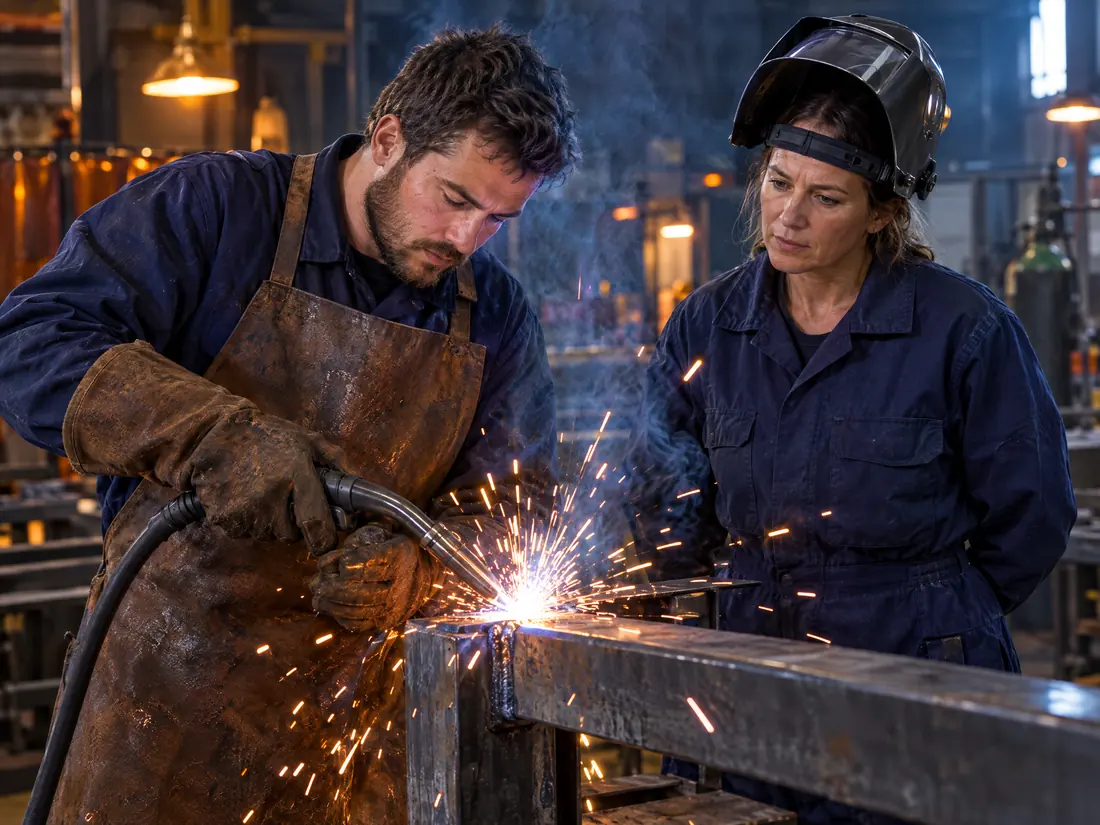
On a metalworking and welding site, hazards cluster: sparks and molten metal spatter, high temperature, ultraviolet radiation, noise and sharp swarf. Equipment selection has to treat that cluster as a whole.
- Related product groups
- 6
- Product types
- 43
- Industries
- Industries
- Get a quote
- Message us on WhatsApp
At the weld, clothing, gloves, face protection and foot protection are linked. Closed hems and bellows-covered footwear close the gaps where spattering metal most often enters.
Noise creates continuous exposure here; hearing protection is chosen against measured levels, and helmet-mounted models raise the rate of actual use.
Swarf and chip risk make eye protection essential. A face shield alone is not enough; safety glasses should be worn underneath.
Related product groups
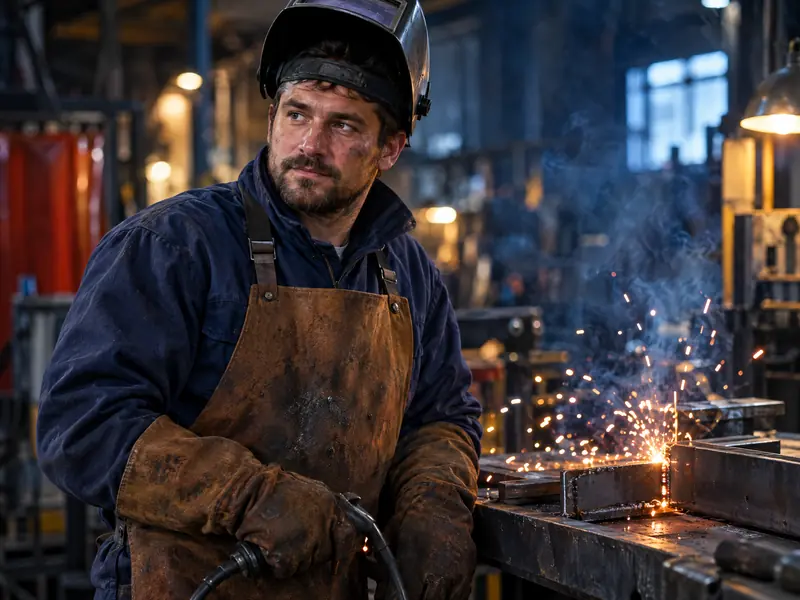
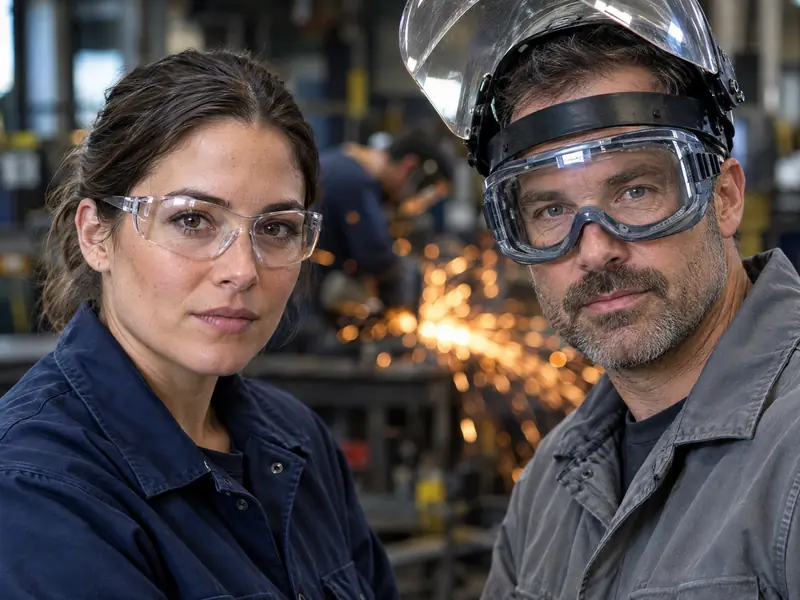
A barrier for eyes and face against swarf, dust, sparks and splash.
See details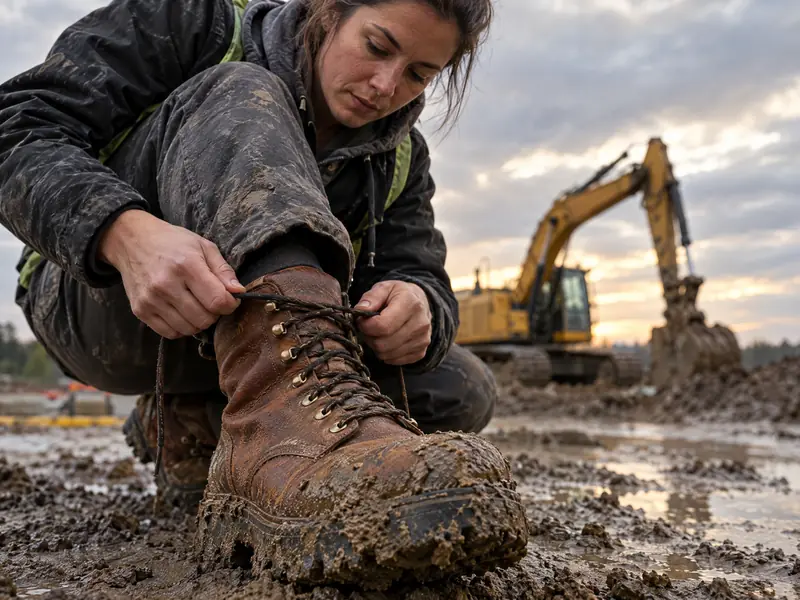
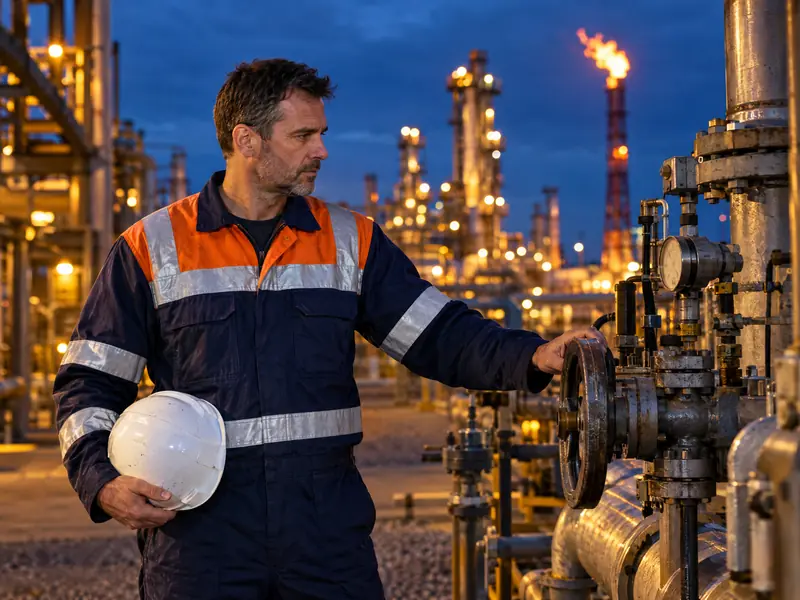
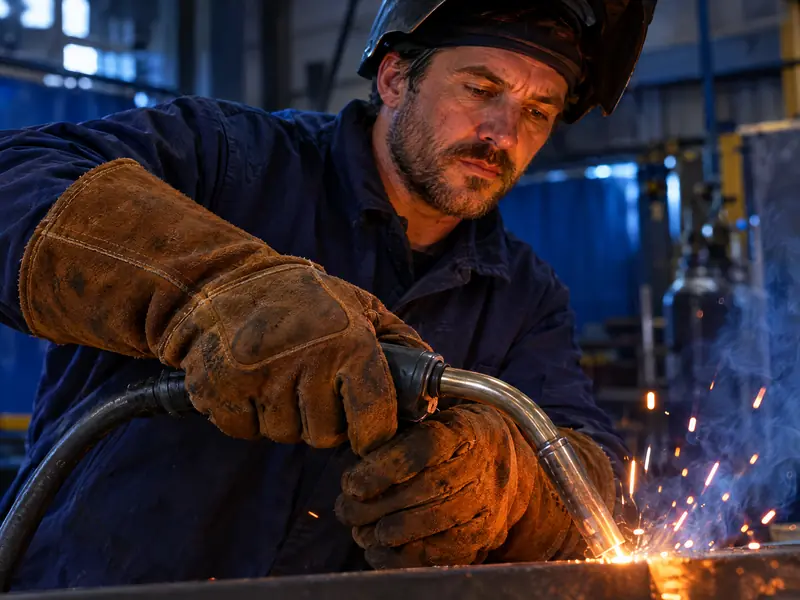
Retardant fabric against heat, spark and electric arc hazards.
See details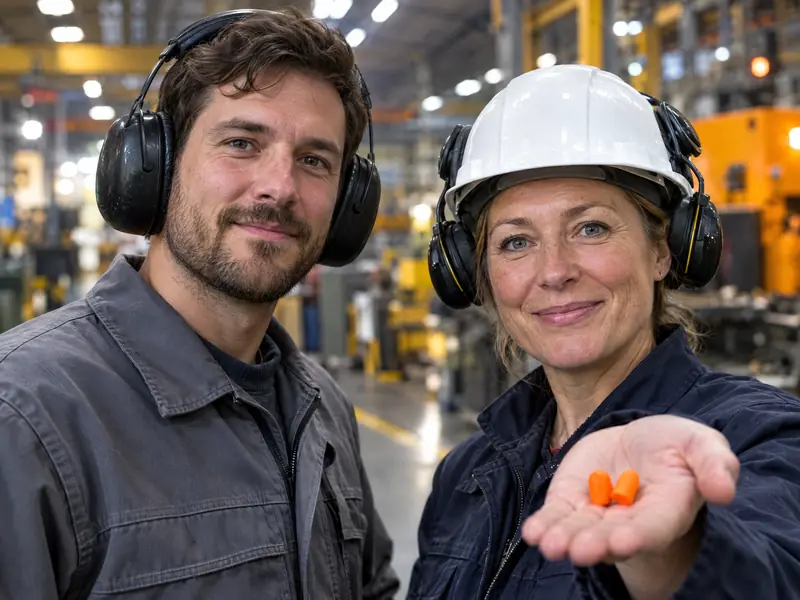
Related guides
All guides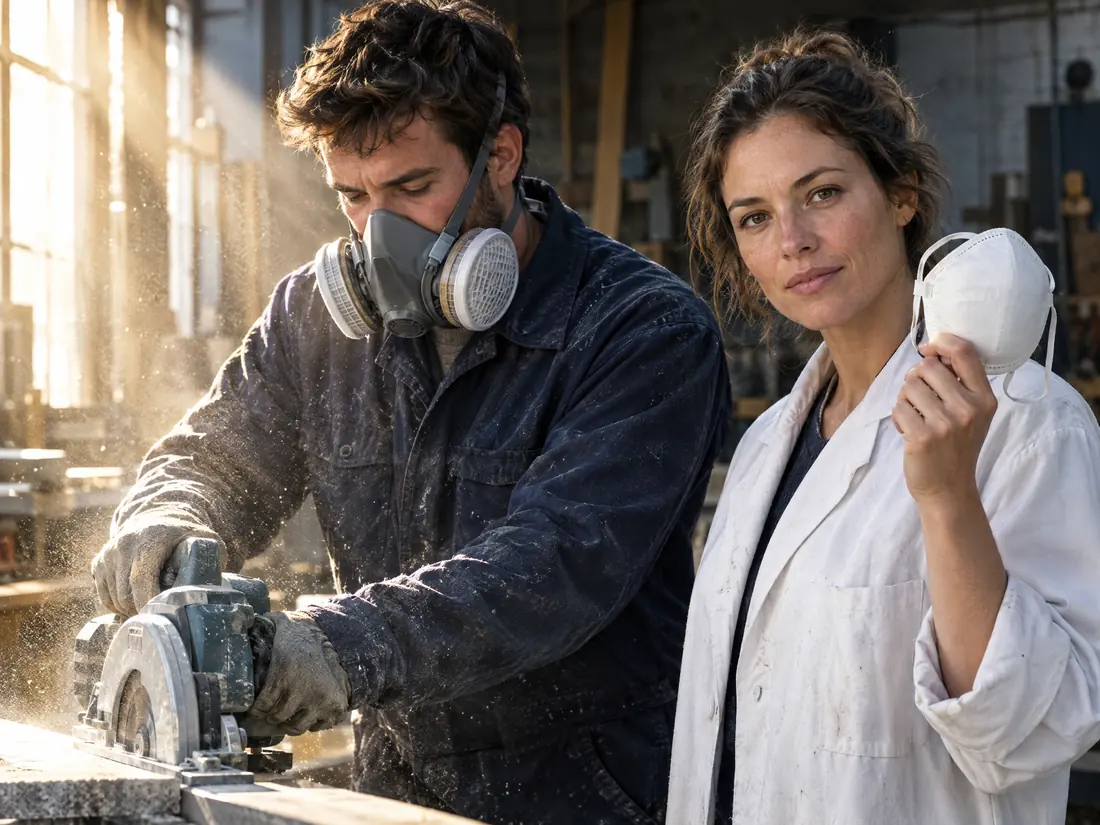
FFP1 vs FFP2 vs FFP3: EN 149 mask classes and how to choose a dust mask
What the EN 149 classes measure, what the markings mean and how to match the mask to the dust.
Read the guide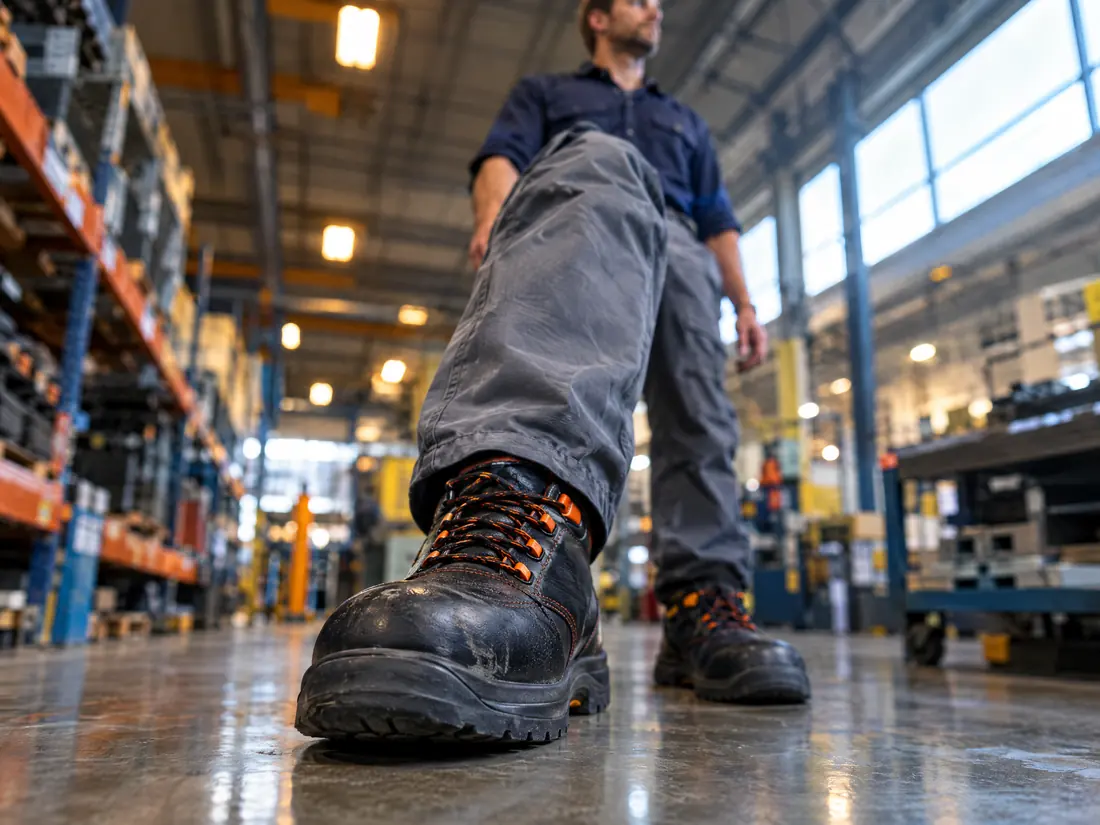
Safety Footwear Ratings Explained: SB, S1, S1P, S3 and the 2022 Codes
How to read the S code and extra symbols on EN ISO 20345 safety footwear, and what changed between the 2011 and 2022 editions.
Read the guide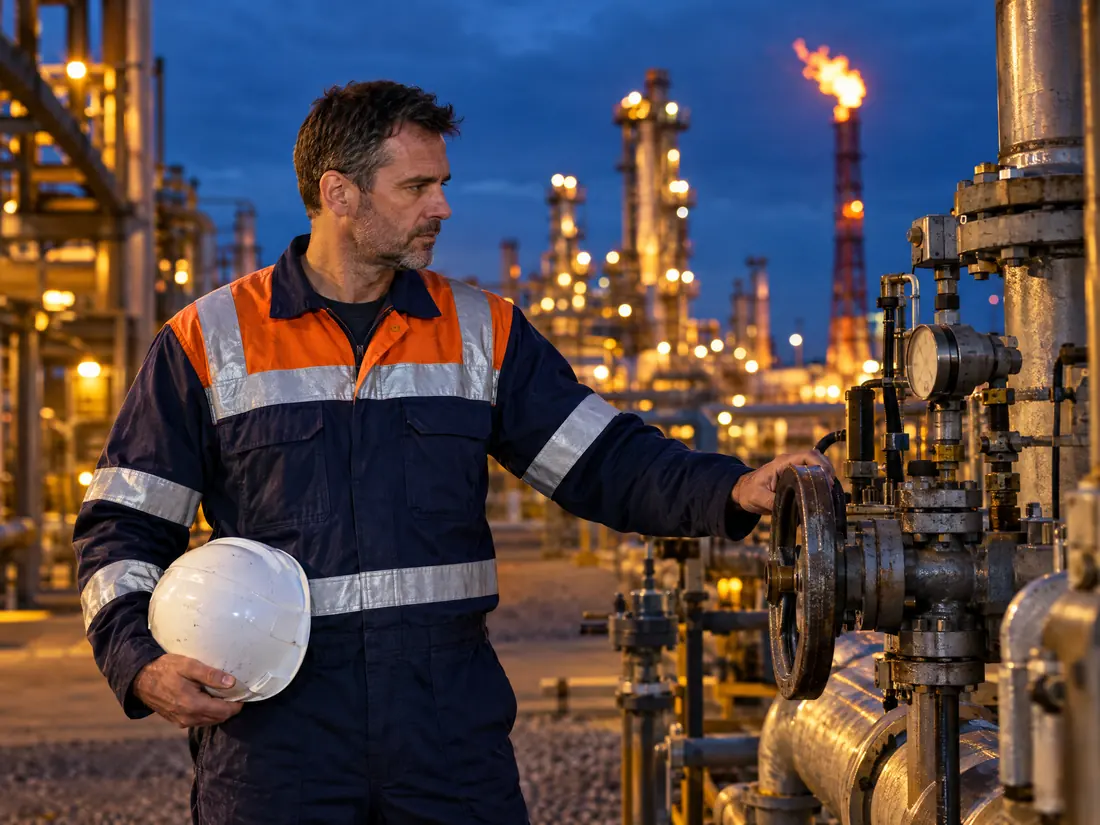
Flame resistant clothing standards: EN ISO 11612 codes, EN ISO 11611 classes and arc protection
A working reference to EN ISO 11612 code letters, welding and arc standards, FR fabric types and laundering rules, with the test thresholds behind each label.
Read the guide
Frequently asked questions
Is welding clothing different from ordinary FR clothing?
Yes. Welding wear is tested against molten metal spatter under EN ISO 11611, and its pocket flaps, hems and zip arrangement are designed so sparks cannot collect.
Which standard governs welding clothing?
The standard for protective clothing used in welding and allied processes. It defines behaviour against spattering molten metal and brief flame contact; the class on the label is chosen against the weight of welding being done.
Does a welding apron replace the garment?
No, it is an additional layer worn on top. The apron protects the front of the torso; the arms, back and legs still require flame-retardant clothing.
Is a welding glove the same as a heat glove?
No. A welding glove is leather-based against spatter and sparks; a heat glove is classified against contact heat. Aramid suits foundry and glass work, leather suits welding.
What eye protection is used for grinding?
Impact-rated spectacles alone are not enough; a face shield is worn over them. The shield stops the bulk of the debris, the spectacles stop what passes underneath.
Is hearing protection required in a welding shop?
Grinding and hammering noise exceeds the action level in most shops. Measure first, then pick the attenuation; helmet-mounted earmuffs are the most practical option when a helmet is already worn.
Let's talk about what you need
Tell us your headcount, the hazards on site and your delivery schedule; we will work out the fabric options, branding and pricing together.
Currently for corporate supply and wholesale custom production; retail coming soon.
Quote request
Fill in the form and we will come back to you the same working day. You can also reach us on WhatsApp.