Workwear
Jackets and coats
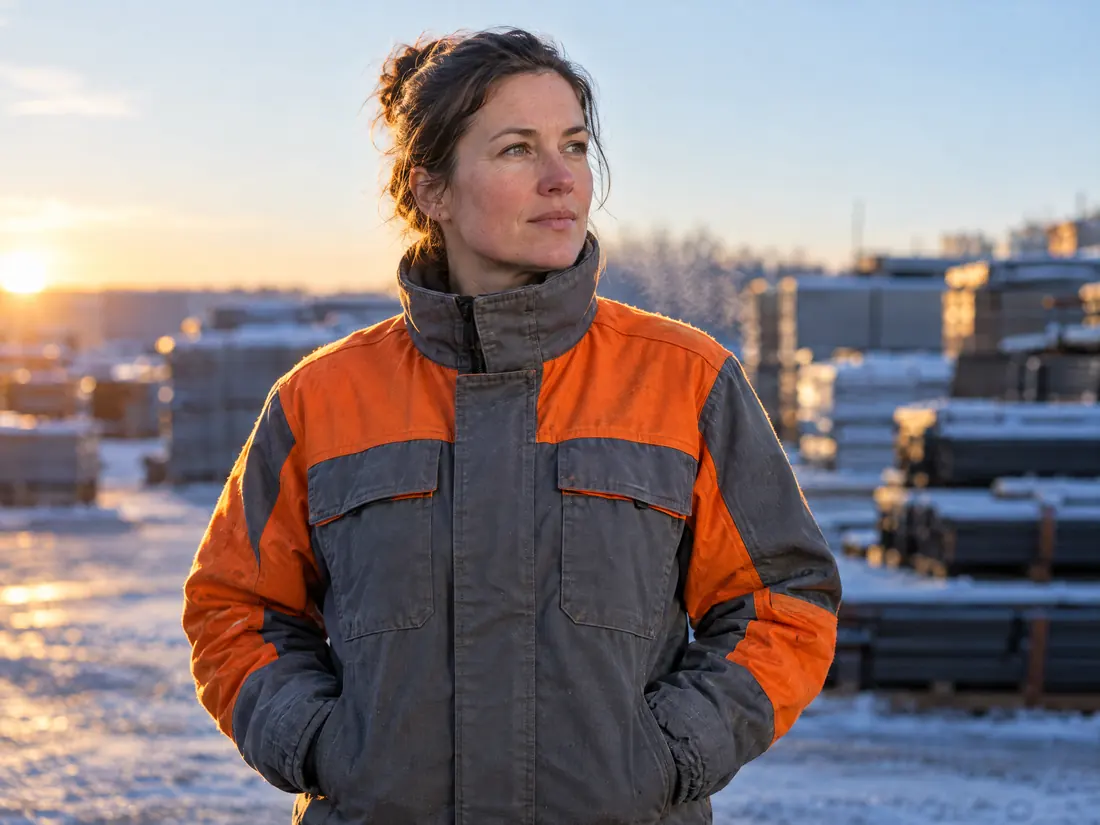
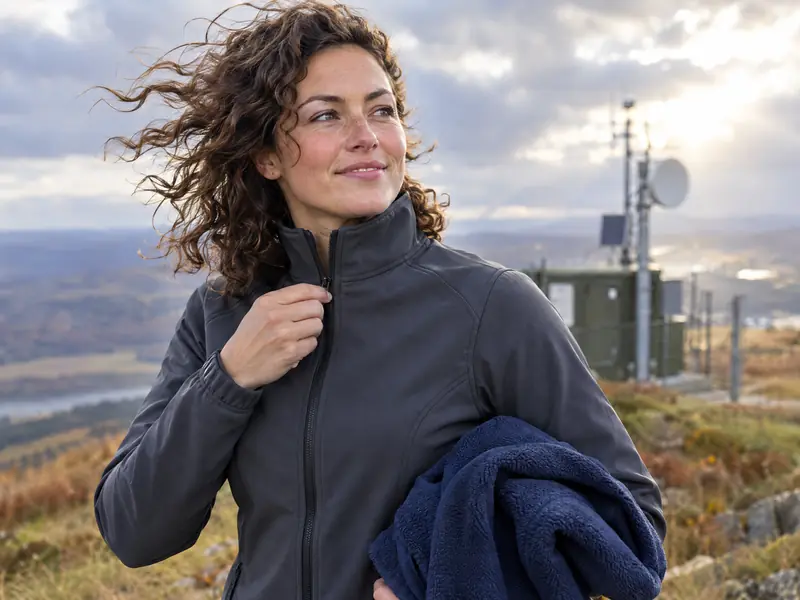
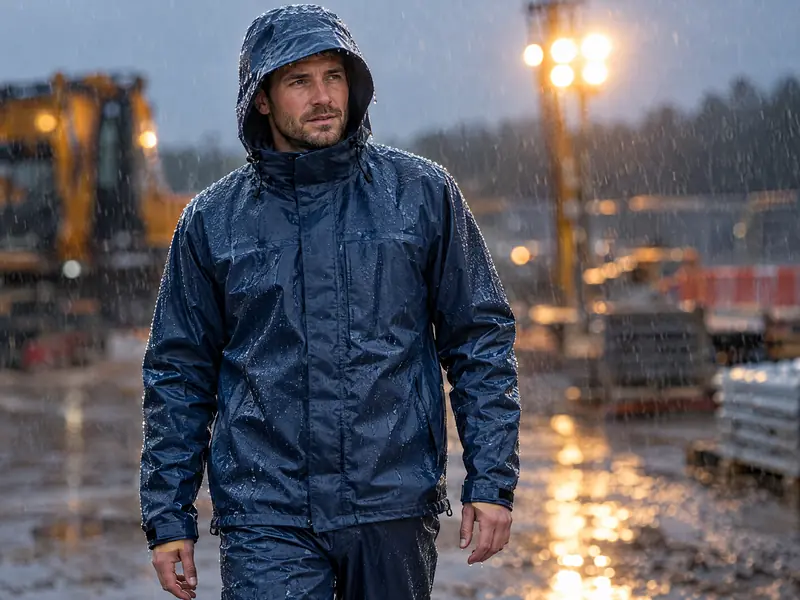
A work jacket is the first line of defence for a crew working outdoors. It has to protect against wind, rain and low temperature without restricting movement, and its hood and collar must work with a hard hat.
- Main group
- Workwear
- Product types
- 9
- Standards
- EN 343 · EN 14058 · EN ISO 13688
- Industries
- 1
Four-season constructions are popular: detachable sleeve models serve as a gilet in autumn and a jacket in winter, while parkas with a removable liner cover two seasons in one garment.
In outerwear the details decide performance: water-repellent surface, storm flap over the zip, adjustable cuffs and a drawcord at the waist. Where reflective tape is needed, its placement is calculated against the visibility class.
The most common mistake in outerwear is looking only at temperature and ignoring wind. A jacket that is adequate at zero degrees in still air falls short at the same temperature in a strong wind. For crews working in the open, a windproof face fabric does more work than thick insulation.
Layering also lowers cost. A parka with a removable liner serves as a shell in spring and autumn and as a full jacket in winter, so one product covers three seasons instead of two purchases. Making the liner wearable on its own extends that further.
Products in this group
- Water-repellent and windproof fabric options
- Detachable sleeves and liner alternatives
- Hood and collar designed to work with a hard hat
- Reflective tape and corporate colour application
- Stitched or heat-taped waterproofing
Related standards
3 Standard
EN 343
Protective clothing against rain
EN 14058
Protective clothing for cool environments
EN ISO 13688
General requirements for protective clothing
Products in this group
09- Site jacket
- Bomber jacket
- Detachable sleeve jacket
- Windproof jacket
- Thermal jacket
- Work parka
- Work jacket
- Uniform jacket
- Winter coat
Industries we serve
Related product groups
Workwear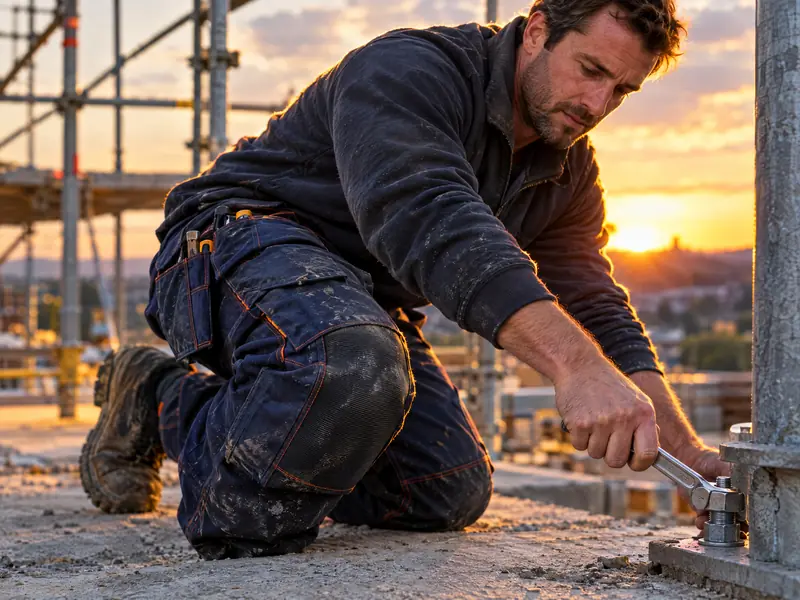
The hardest-worked piece on site: pattern, weight and reinforcement decide it.
See details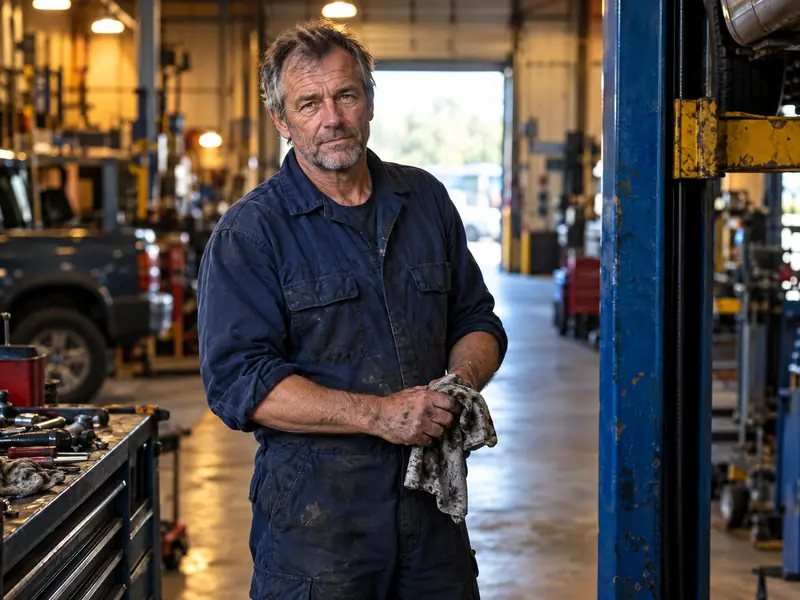



From lab to workshop, the practical layer that protects what is underneath.
See details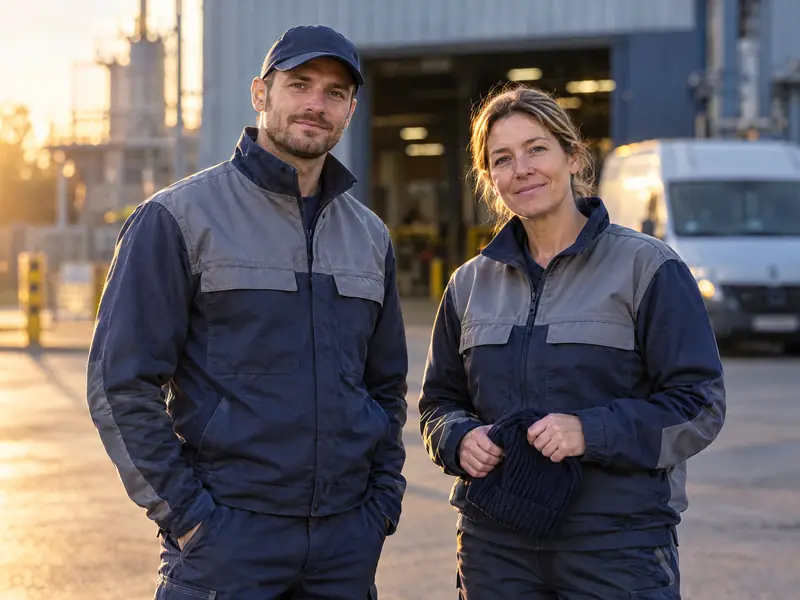
Frequently asked questions
How is waterproofing achieved?
Through a water-repellent finish on the fabric and taping over the seams. For crews working in continuous rain, heat-taped models are recommended.
Can jackets be embroidered?
Yes. Embroidery or print is applied to the chest and back. On waterproof models the placement and backing are chosen so the waterproofing is not compromised.
What is the difference between waterproof and water-repellent?
A water-repellent surface makes light rain bead and run off but lets water through under pressure. A waterproof product combines coated fabric with taped seams; if your crew works under continuous rain, you need the second.
What should be worn under the jacket?
A moisture-wicking base layer, then fleece or softshell, then the jacket. A cotton base layer stays wet once you sweat and chills you; the first link of the layering system is decisive here.
Is a removable liner worth it?
Usually yes. A parka with a zip-out liner works as a shell in spring and autumn and as a full jacket in winter, covering three seasons with one purchase instead of two.
Where should the logo go on a jacket?
The left chest and the back read best. On a membrane jacket, embroidery is kept away from direct rain exposure or backed with an adhesive patch so the needle holes do not leak.
Request a quote for this group
Tell us your headcount, the hazards on site and your delivery schedule; we will work out the fabric options, branding and pricing together.
Currently for corporate supply and wholesale custom production; retail coming soon.
Quote request
Fill in the form and we will come back to you the same working day. You can also reach us on WhatsApp.