Workwear
Rainwear
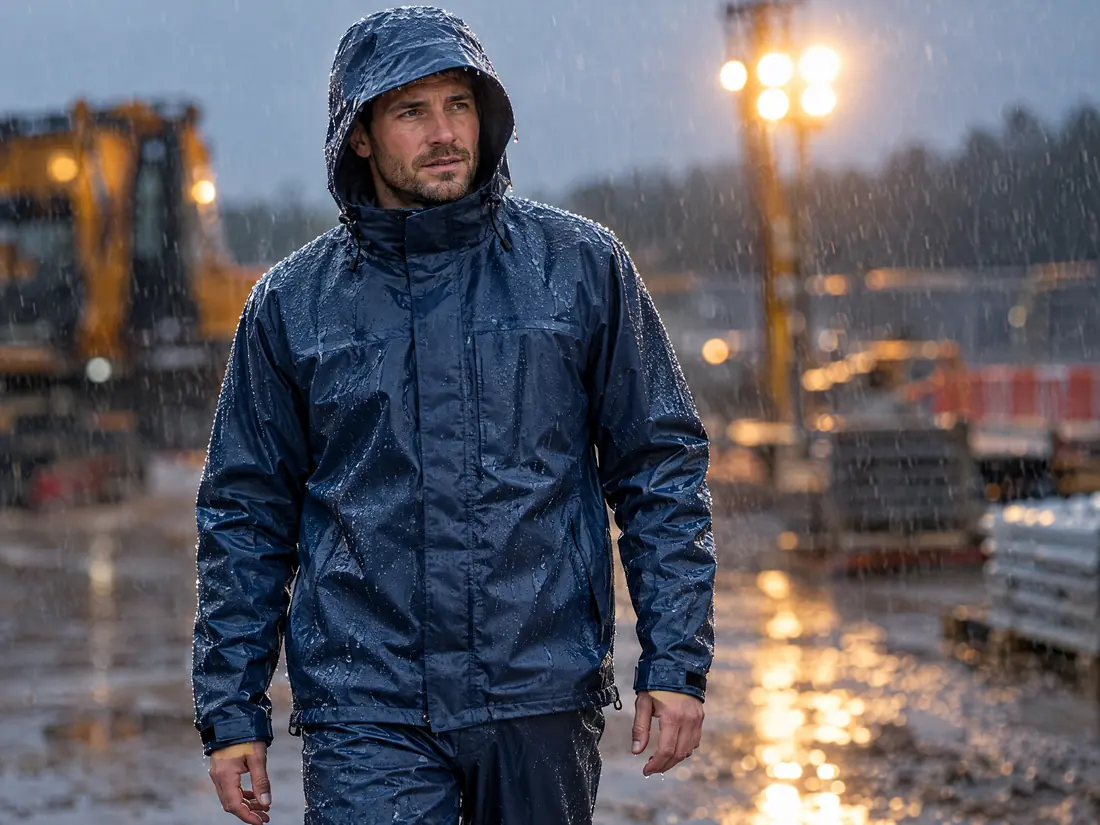
Work rainwear protects both clothing and body heat for crews working in continuous rainfall. Selection turns not only on waterproofing but on breathability; rainwear that cannot breathe soaks you from the inside.
- Main group
- Workwear
- Product types
- 6
- Standards
- EN ISO 20471 · EN 343
- Industries
- 1
Waterproofing comes from two things: coated fabric and taped seams. Models used in harsh conditions have heat-welded seams.
For crews on roads and site perimeters, rainwear is often required to meet a visibility class too; fluorescent fabric and reflective tape are then designed in together.
The first thing to look at is exposure time. A crew that steps into the rain for half an hour and one that stays out for eight hours do not use the same product: short exposure is served by a light, packable model, while long exposure requires a breathable membrane and heat-taped seams. The second criterion is movement; for crews climbing ladders, bending or driving, sleeve length, underarm ventilation and hem width decide how tired they are by evening.
Care directly affects service life. Coated fabrics lose their water repellency when washed with fabric softener, and high-heat drying separates taped seams. On bulk orders, getting the care instructions to the crew is the cheapest way to make sure the garment still works in its second year.
Products in this group
- Full waterproofing with taped seams
- Breathable coated fabric option
- High-visibility version
- Hood and collar compatible with a hard hat
- Suit, coverall and single-piece alternatives
Related standards
2 Standard
EN ISO 20471
High-visibility warning clothing
EN 343
Protective clothing against rain
Products in this group
06- Rain suit
- Rain coverall
- Fisherman rainwear
- Rain jacket
- Rain trousers
- Hi-vis rainwear
Industries we serve
Related product groups
Workwear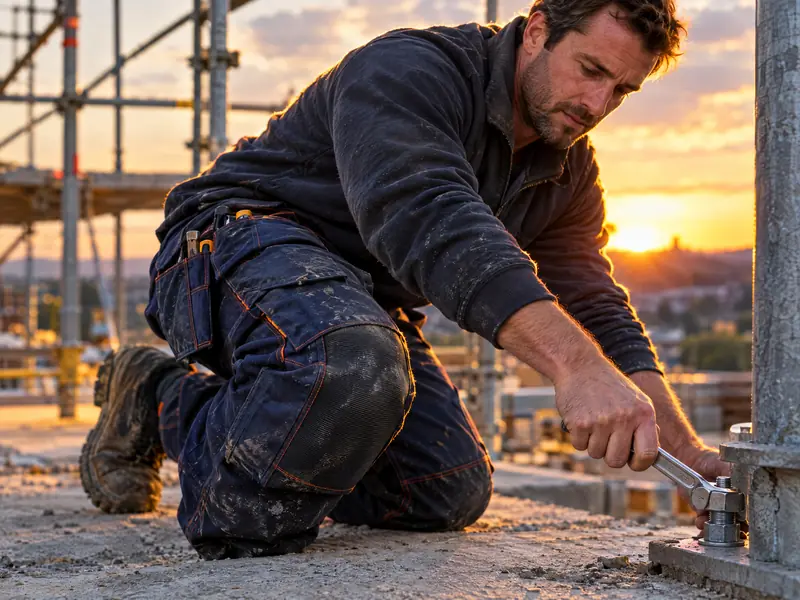
The hardest-worked piece on site: pattern, weight and reinforcement decide it.
See details
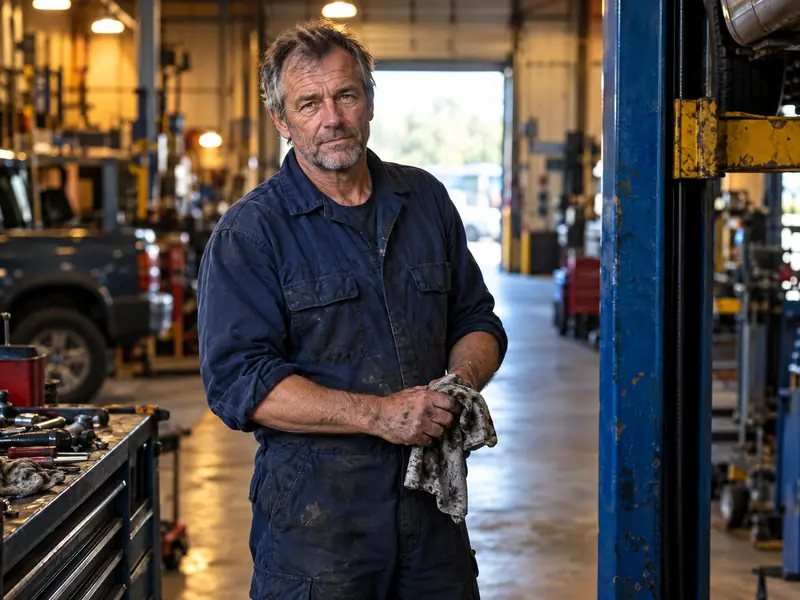

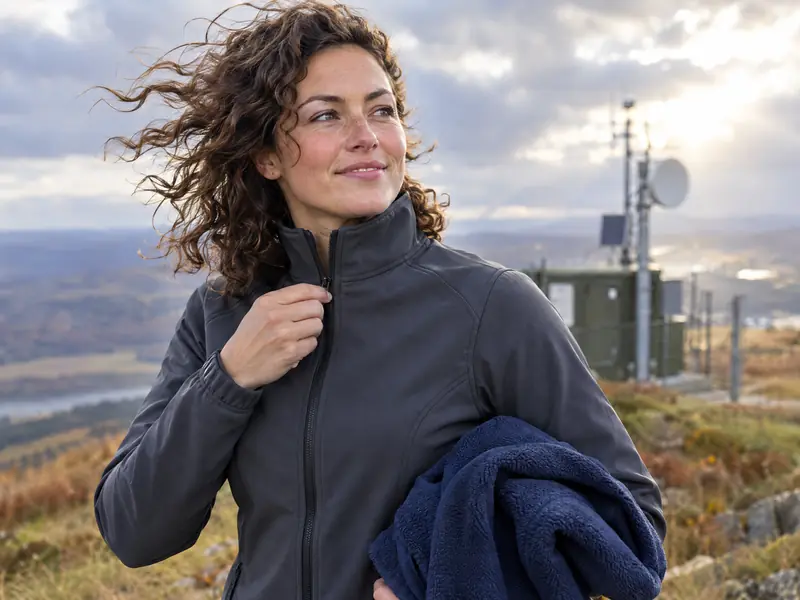


From lab to workshop, the practical layer that protects what is underneath.
See details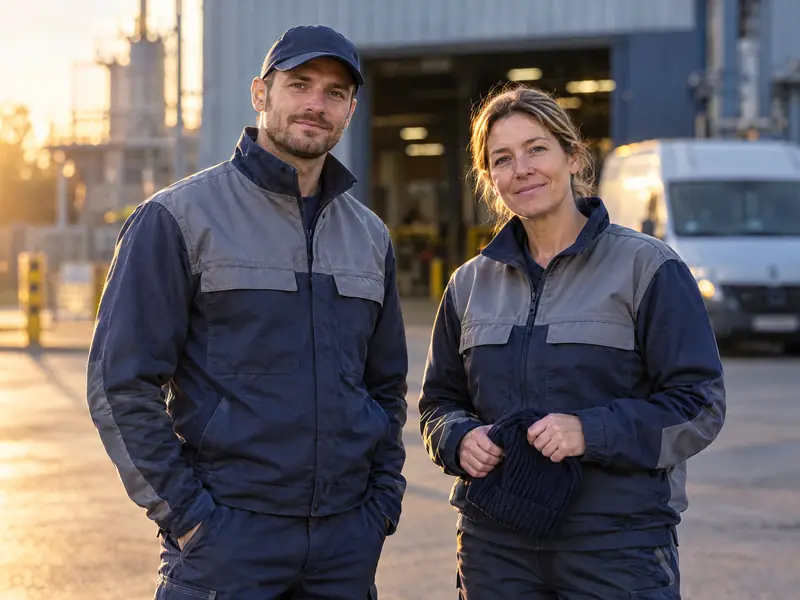
Frequently asked questions
What does EN 343 measure?
It classifies waterproofing and water vapour resistance in protective clothing against rain. A high waterproof class alone is not enough; for a garment worn for long periods, breathability must be considered too.
Why does rainwear feel wet inside?
Usually it is not leakage but condensation: vapour from body heat cannot escape and turns into droplets on the inner surface. The answer is not a thicker garment but a breathable membrane and underarm ventilation.
What is the difference between taped and ordinary seams?
In an ordinary seam the needle pierces the fabric and every hole is a potential water path. In a taped seam those holes are sealed from the inside with heat-bonded tape. Without taping, water finds the shoulder and back seams within hours under continuous rain.
How should rainwear be cared for?
Without fabric softener, and without high-heat drying. Softener destroys the water-repellent finish and heat separates the taped seams.
Can rainwear be high-visibility?
Yes. Fluorescent backing and reflective tape can be built into the rain jacket and trousers so one garment covers both weather and visibility requirements.
Request a quote for this group
Tell us your headcount, the hazards on site and your delivery schedule; we will work out the fabric options, branding and pricing together.
Currently for corporate supply and wholesale custom production; retail coming soon.
Quote request
Fill in the form and we will come back to you the same working day. You can also reach us on WhatsApp.