
Industries
Energy and electrical
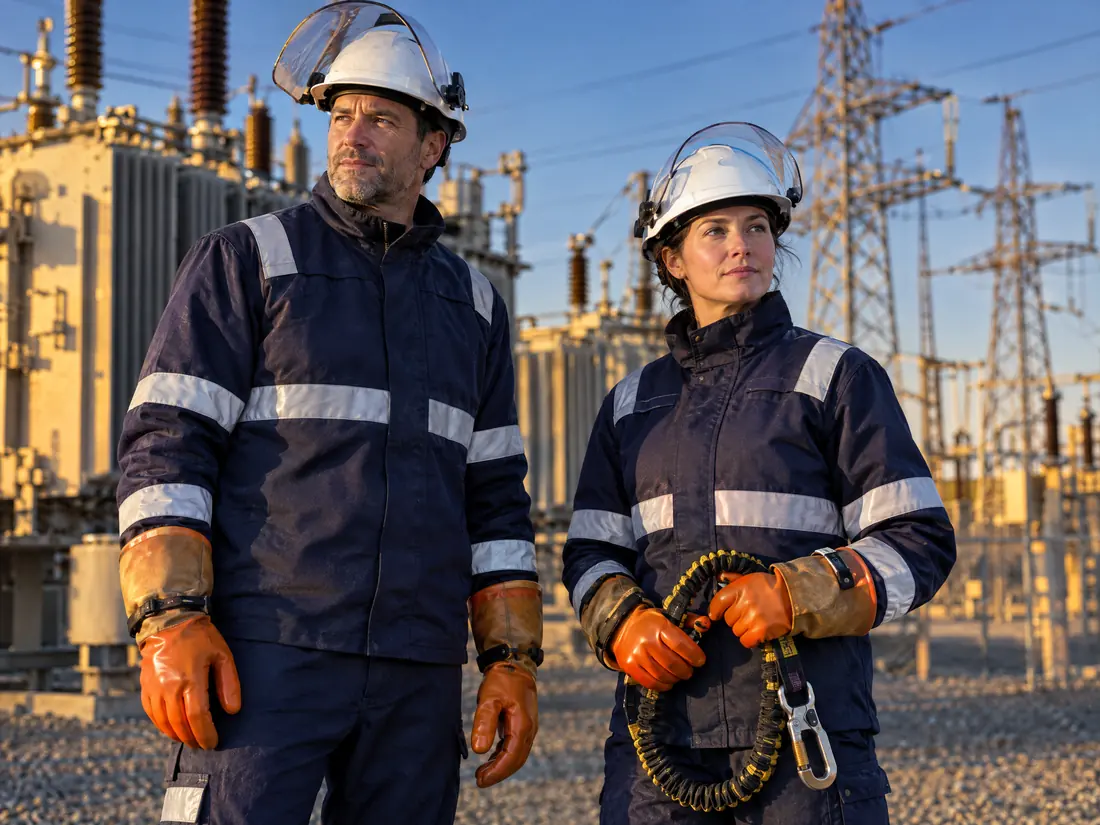
In the energy sector, clothing is the first line of defence against electric arc and heat. Standard workwear is not enough here; flame-retardant fabric and antistatic properties are usually required together.
- Related product groups
- 6
- Product types
- 41
- Industries
- Industries
- Get a quote
- Message us on WhatsApp
Where there is arc risk, every layer must be compatible. A synthetic t-shirt worn under a flame-retardant coverall melts during an arc event and makes the injury worse.
Insulating gloves are chosen by voltage class, tested periodically and recorded. A leather over-glove protects the insulation from mechanical damage.
Pole and transformer work brings the fall protection system into play; harness, lanyard and anchor point are planned together.
Related product groups
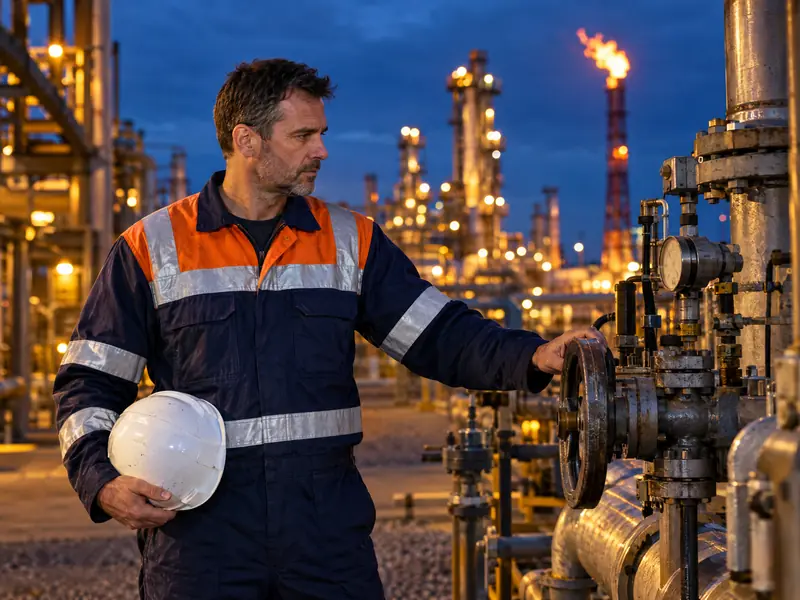
Retardant fabric against heat, spark and electric arc hazards.
See details
For places where static discharge damages the product or the site.
See details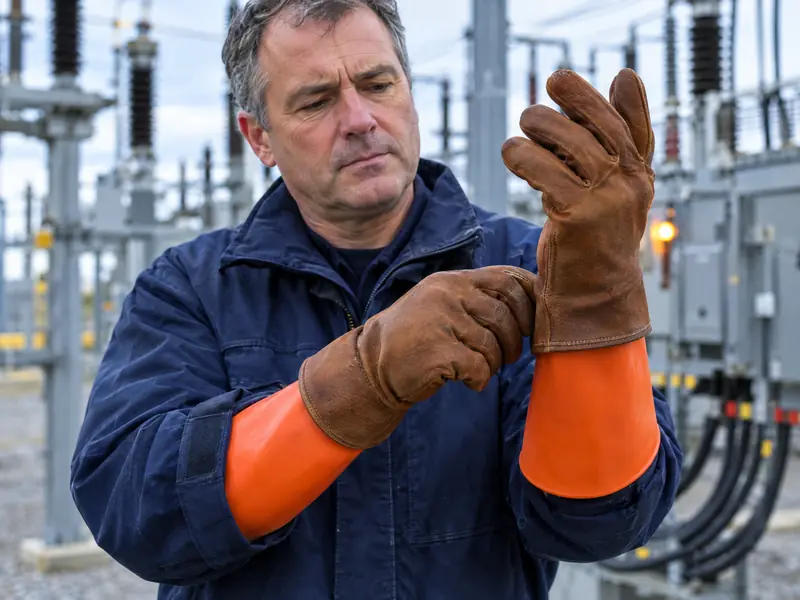
For areas needing electrical insulation or static control.
See details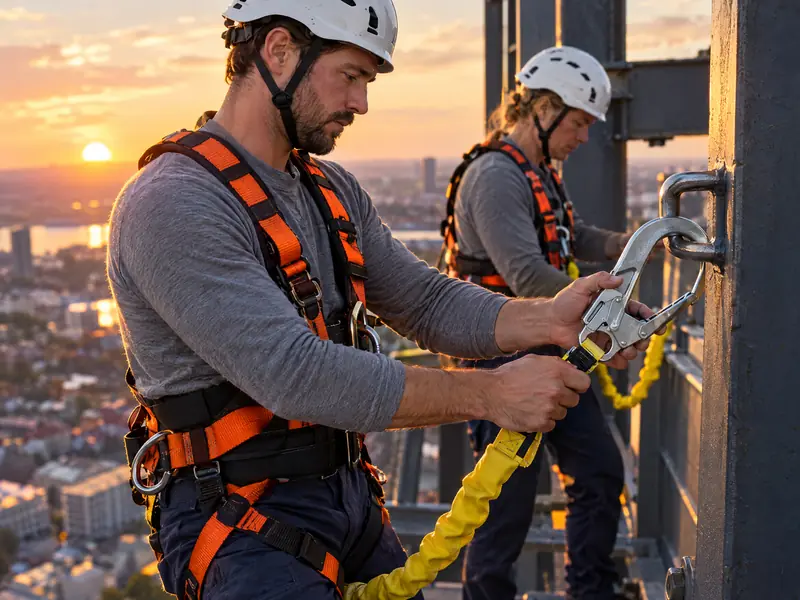

Frequently asked questions
Is flame-retardant clothing the same as arc protection?
No. Protection against heat and flame and protection against electric arc rest on different test methods. Where arc risk exists, the product's arc rating must be assessed separately.
What protective clothing is needed for electrical work?
It follows the arc energy assessment for the task. Generally a flame-retardant upper and lower garment, insulating gloves with leather over-gloves, a helmet with a face shield and, where relevant, fall protection are planned together.
How often are insulating gloves tested?
They are electrically tested at set intervals and the test date is recorded on the glove. A glove past its date or without a record is treated as no protection, however new it looks.
What is worn under flame-retardant clothing?
Cotton or a flame-retardant base layer. Synthetic base layers melt during an arc event and stick to the skin, worsening the injury; this is the most common field error.
Is antistatic performance needed in substations?
In areas with an explosive atmosphere classification, yes, and usually together with flame retardancy. One fabric must satisfy both at once; two separate garments do not cover it.
What fall protection is used on pole work?
A full-body harness, an energy-absorbing lanyard and a verified anchor point together. A positioning belt does not arrest a fall, and using one system in place of the other is a frequent cause of incidents.
Let's talk about what you need
Tell us your headcount, the hazards on site and your delivery schedule; we will work out the fabric options, branding and pricing together.
Currently for corporate supply and wholesale custom production; retail coming soon.
Quote request
Fill in the form and we will come back to you the same working day. You can also reach us on WhatsApp.