Technical protective clothing
Cold weather and thermal clothing
Cold weather clothing is a layered system that preserves body heat at low temperature. Rather than one thick garment, a base layer, mid layer and outer layer designed together give both more warmth and more mobility.
- Main group
- Technical protective clothing
- Product types
- 9
- Standards
- EN 342 · EN 14058
- Industries
- 2
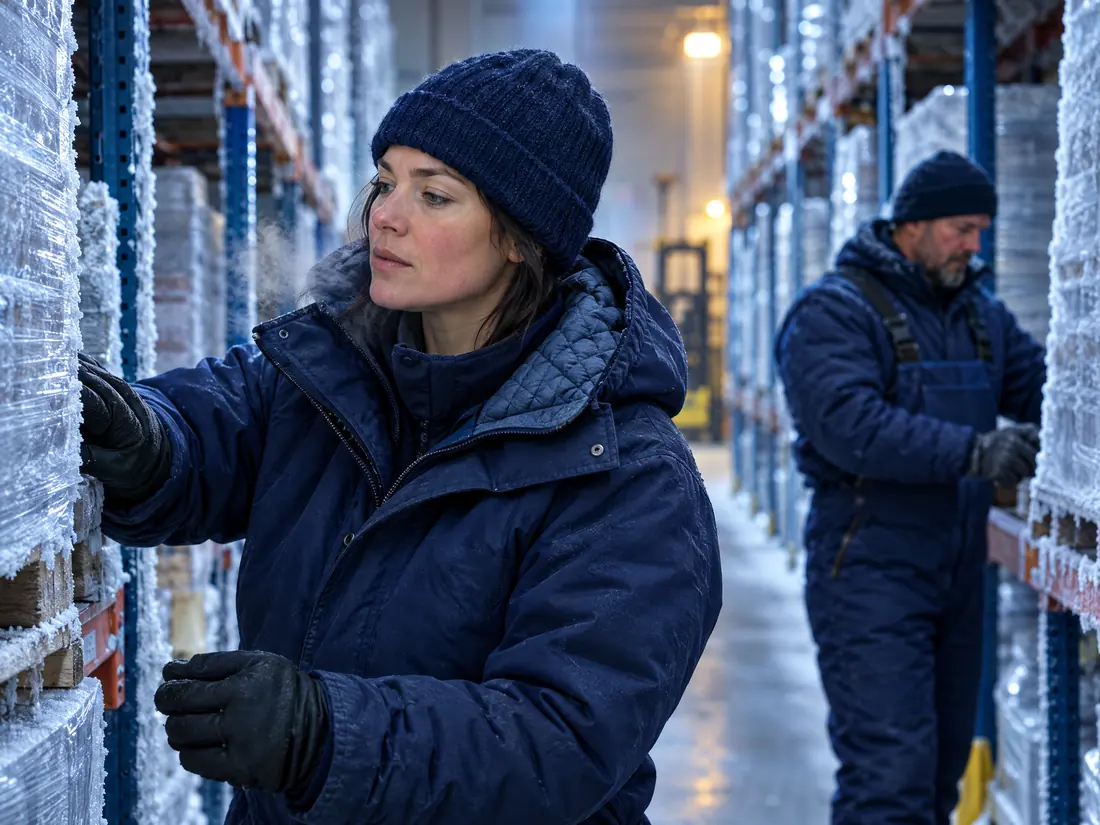
Crews in cold stores and frozen food plants face constant low temperature, where insulation thickness and moisture management decide. Outdoors, wind and precipitation add another layer.
Sweating is the biggest risk in the cold: moisture collapses insulation and drops body temperature quickly. The base layer must therefore move moisture away.
Cold-weather clothing is a system of three layers, and the first layer decides the outcome. A cotton base layer soaks up sweat and cools the body; a synthetic or merino base layer moves moisture outward and keeps the skin dry. Buying an expensive outer garment over a cotton base layer wastes the investment.
Cold-store work differs from outdoor cold work. In a cold store the air is still and dry, so insulation matters most; outdoors, wind and damp matter more and a windproof, water-repellent shell is required. The two environments should be specified separately.
Products in this group
- Layered system: base, mid and outer
- Quilted coverall and jacket options
- Moisture-wicking thermal base layers
- Beanie, neck warmer, glove and sock completers
- High-visibility winter versions
Related standards
2 Standard
EN 342
Protective ensembles against cold
EN 14058
Protective clothing for cool environments
Products in this group
09- Quilted coverall
- Cold store jacket
- Quilted trousers
- Thermal base layer
- Thermal trousers
- Thermal socks
- Thermal beanie
- Thermal neck warmer
- Thermal gloves
Industries we serve
Related product groups
Technical protective clothing
Retardant fabric against heat, spark and electric arc hazards.
See details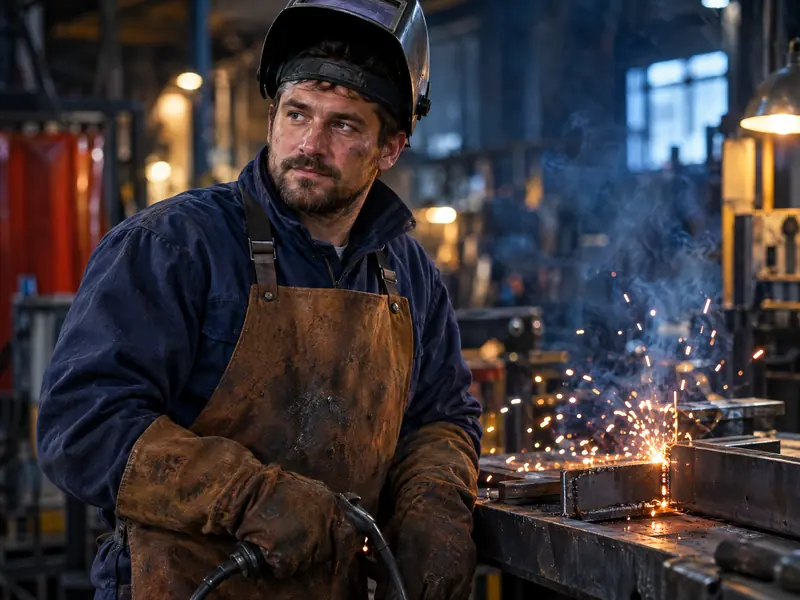

For places where static discharge damages the product or the site.
See details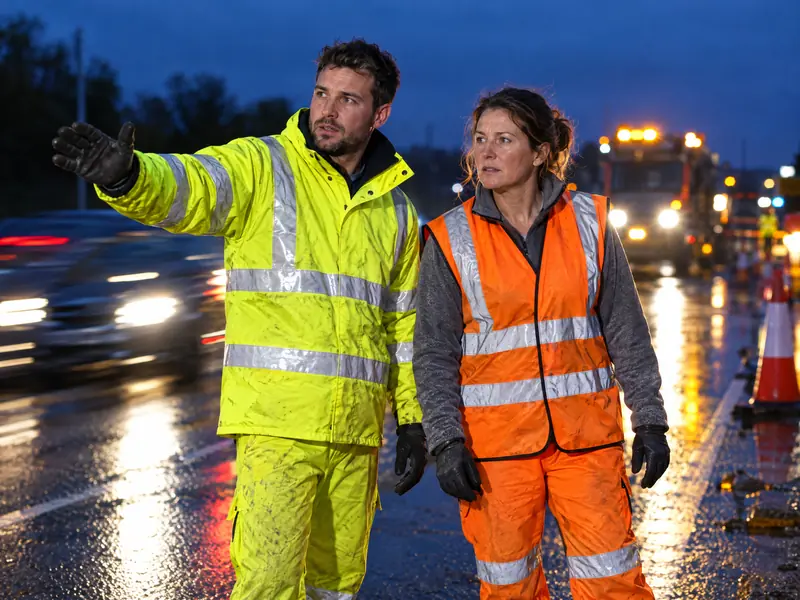
The group that raises visibility in poor light and vehicle traffic.
See details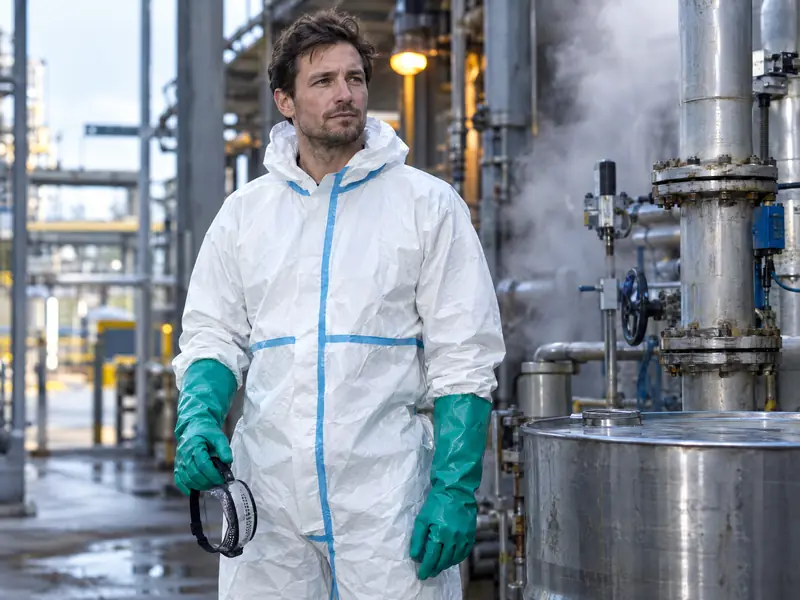
A barrier against liquid chemical splash, dust and contamination.
See details
Frequently asked questions
What suits a cold store?
In areas of constant low temperature, a quilted suit or coverall under EN 342 is used with a moisture-wicking base layer. Gloves and foot protection should be selected as part of the same system.
Do thicker garments always mean warmer?
No. Warmth comes from trapped still air, not thickness. A well-designed thin insulation layer can outperform a bulky one, and bulk restricts movement, which increases fatigue and risk.
What about hands and feet?
They cool first because circulation to the extremities drops in cold. Insulated gloves and cold-rated footwear must be part of the same specification; otherwise the crew stops work regardless of how good the jacket is.
Is a cold store the same as outdoor cold?
No. In a cold store the air is still and dry and insulation matters most; outdoors, wind and damp dominate and a windproof, water-repellent shell is required.
Does thicker mean warmer?
No. Warmth comes from trapped still air, not thickness. A well-designed thin insulation layer can outperform a bulky one and does not restrict movement.
Request a quote for this group
Tell us your headcount, the hazards on site and your delivery schedule; we will work out the fabric options, branding and pricing together.
Currently for corporate supply and wholesale custom production; retail coming soon.
Quote request
Fill in the form and we will come back to you the same working day. You can also reach us on WhatsApp.