Technical protective clothing
Welding clothing
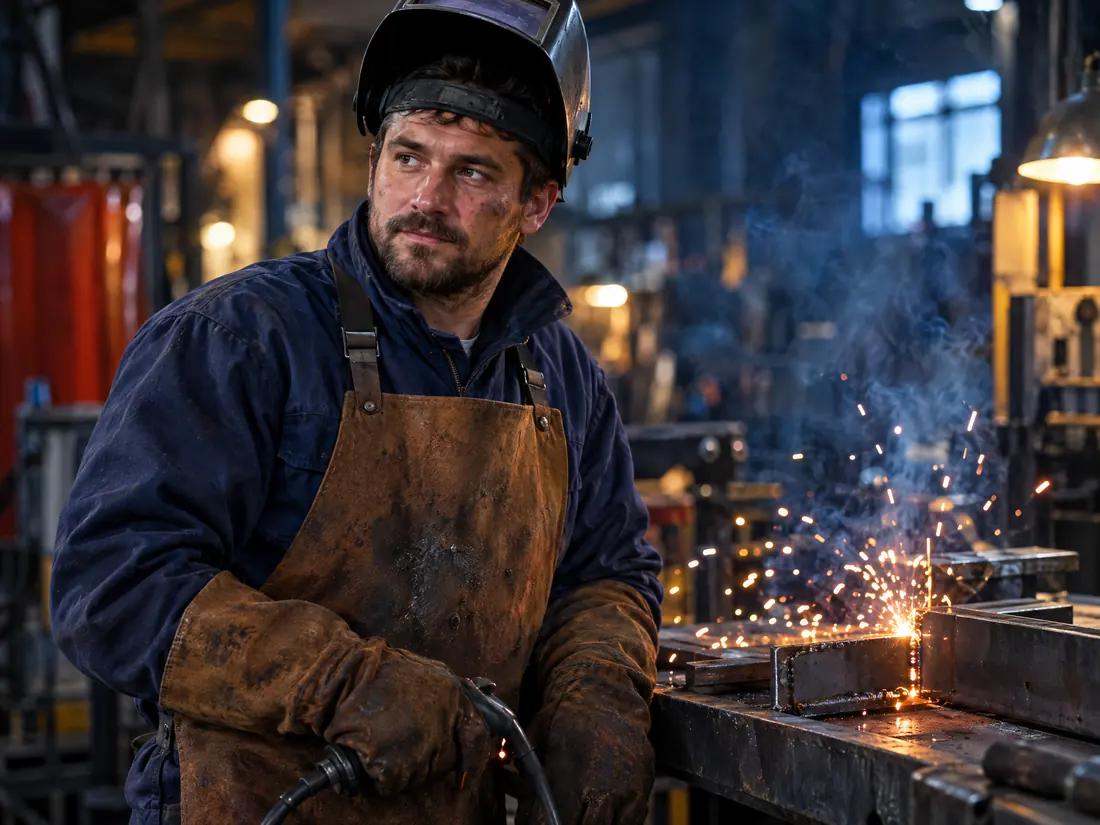
Welding clothing protects against the sparks, molten metal spatter and ultraviolet radiation produced during welding. EN ISO 11611 defines the test conditions for these products.
- Main group
- Technical protective clothing
- Product types
- 7
- Standards
- EN ISO 11612 · EN ISO 11611
- Industries
- 1
Detail is critical in welding wear: pocket flaps are designed so sparks cannot collect, hems are not left open and zips are concealed beneath a flap. Any exposed metal part conducts heat.
Leather and flame-retardant fabric can be combined: heavy welding work favours leather reinforcement at chest and arms, while lighter work is served by full FR fabric.
Material choice in welding wear follows the weight of the work. Stick and MIG welding produce heavy spatter and call for leather reinforcement; TIG welding produces little spatter but demands precision, so thinner and more flexible material is preferred. Having two sets in one workshop is normal.
The closure arrangement is half the protection. If a pocket flap opens upwards, sparks collect in it; if the hem does not sit over the boot, metal gets inside; if the collar stays open, the neck burns. All three points must be trialled on site at the sample stage.
Products in this group
- Pocket and flap design that sheds sparks
- Leather-reinforced heavy-duty versions
- Concealed zip and closed hem
- Sleeve, apron and gaiter completers
- EN ISO 11611 and 11612 combinations
Related standards
2 Standard
EN ISO 11612
Protective clothing against heat and flame
EN ISO 11611
Protective clothing for welding and allied processes
Products in this group
07- Welder coverall
- Welder jacket
- Welder trousers
- Welding apron
- Welding sleeve
- Welding gaiter
- Leather welding set
Industries we serve
Related product groups
Technical protective clothing
Retardant fabric against heat, spark and electric arc hazards.
See details
For places where static discharge damages the product or the site.
See details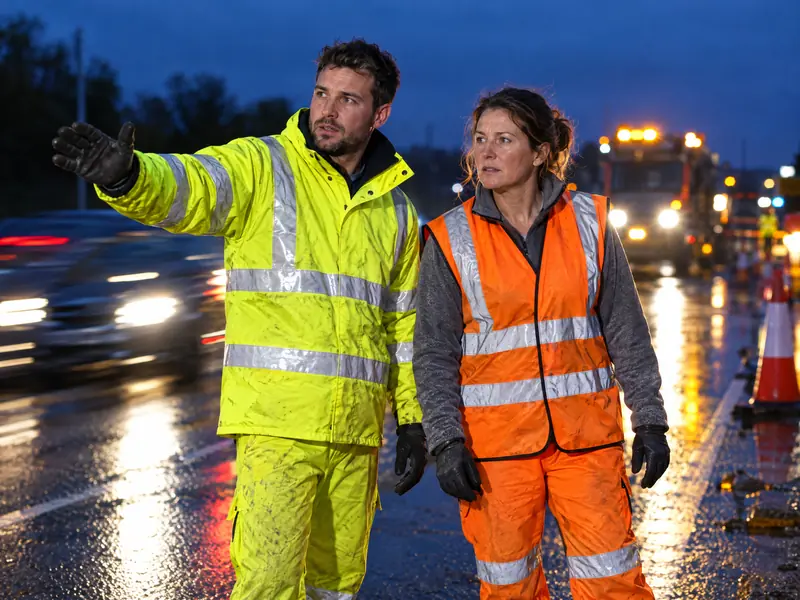
The group that raises visibility in poor light and vehicle traffic.
See details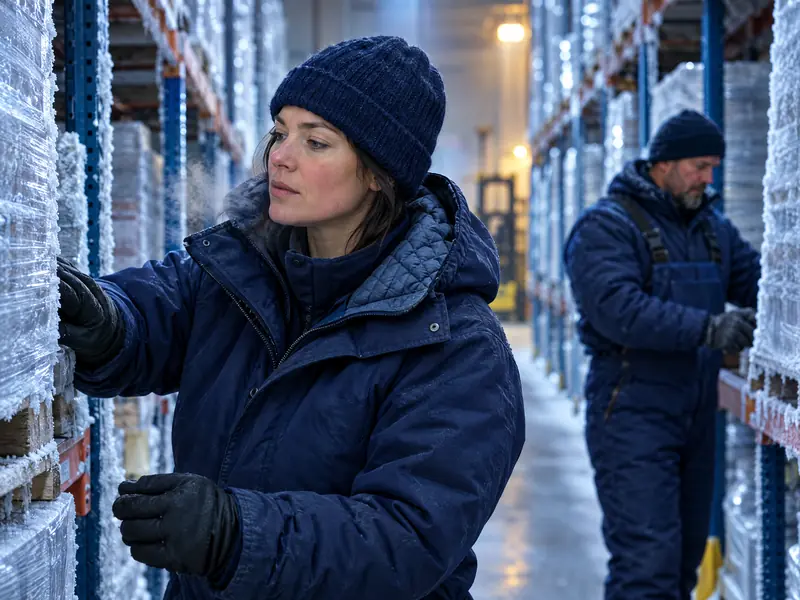
From cold store to open site: layers that keep the heat in.
See details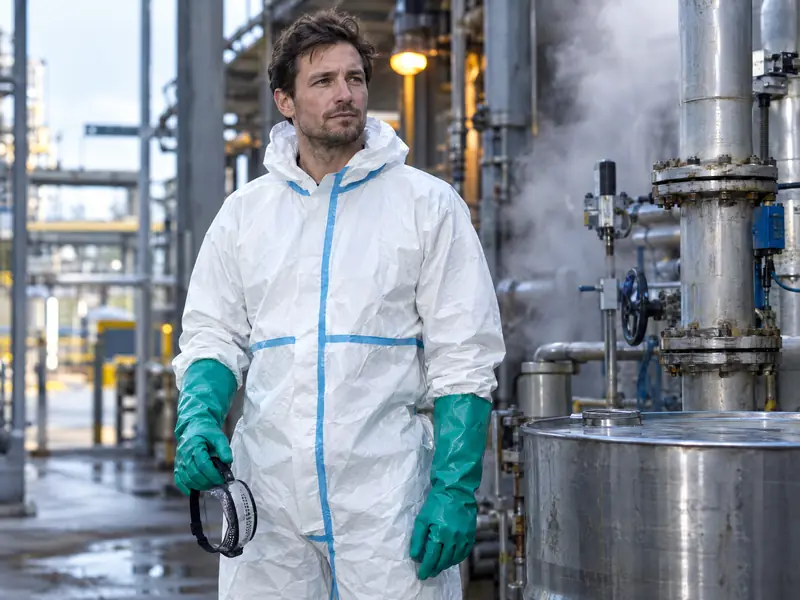
A barrier against liquid chemical splash, dust and contamination.
See details
Frequently asked questions
Is ordinary workwear enough for welding?
No. Standard cotton workwear can ignite from sparks and gives no protection against molten metal spatter. Welding work requires clothing produced under EN ISO 11611.
Coverall or jacket and trousers?
For personnel welding continuously a coverall is safer; there is no gap at the waist. For maintenance crews welding intermittently, a jacket and trousers are more practical since the jacket goes on only when needed.
Does a leather apron replace the garment?
No, it is an additional layer worn on top. The apron protects the front of the torso; flame-retardant clothing is still required for the arms, back and legs.
Leather or fabric for welding clothing?
Stick and MIG welding produce heavy spatter and call for leather reinforcement. TIG produces little spatter but demands precision, so a thinner flame-retardant fabric serves better.
Why must pocket flaps close downwards?
An upward-opening flap collects sparks. A downward flap, a closed pocket and a hem that sits over the boot remove the three most common causes of burns on site.
Request a quote for this group
Tell us your headcount, the hazards on site and your delivery schedule; we will work out the fabric options, branding and pricing together.
Currently for corporate supply and wholesale custom production; retail coming soon.
Quote request
Fill in the form and we will come back to you the same working day. You can also reach us on WhatsApp.