Technical protective clothing
High-visibility clothing
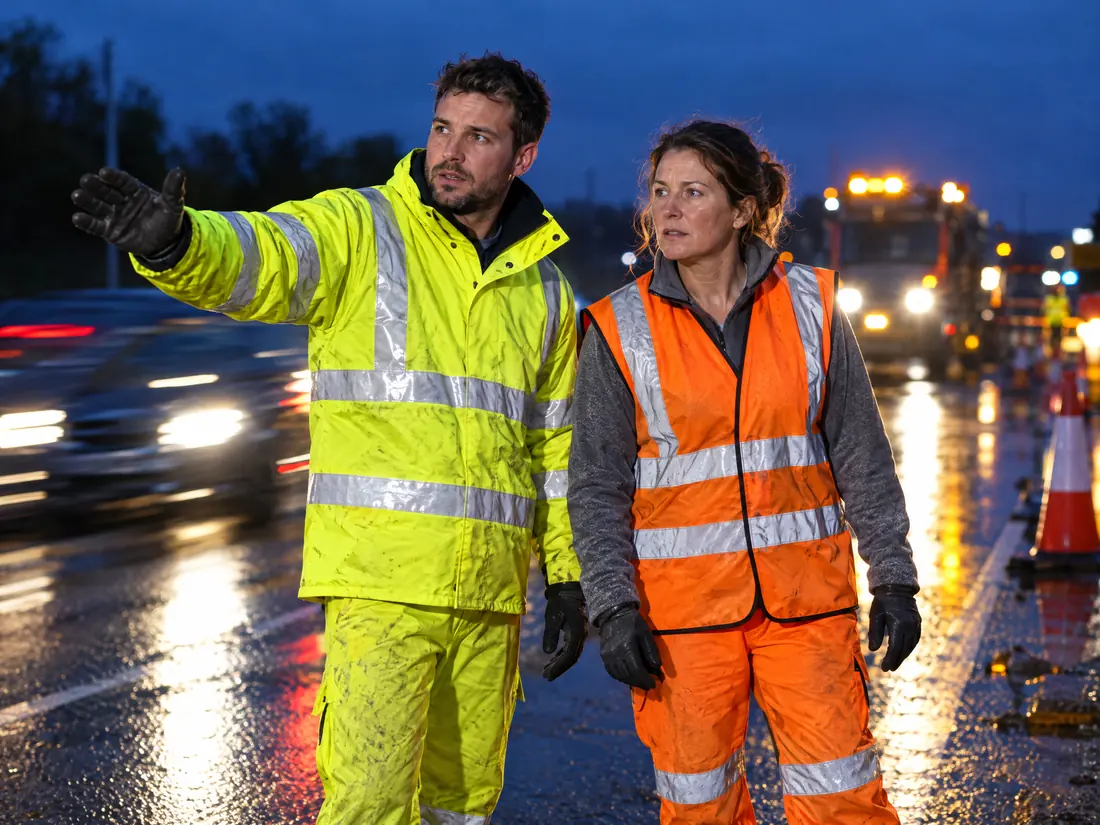
High-visibility clothing combines fluorescent fabric and reflective tape to make the wearer conspicuous by day and by night. EN ISO 20471 divides these products into three classes by visible surface area.
- Main group
- Technical protective clothing
- Product types
- 8
- Standards
- EN ISO 20471 · EN ISO 24232
- Industries
- 3
Class depends on vehicle speed and working environment: a lower class may be enough for pedestrian traffic inside a warehouse, while the highest class is required at the roadside. Class is determined by the total area of fluorescent and reflective surface on the garment.
A soiled or faded hi-vis garment loses its performance. Care instructions must be followed, and the garment replaced after a set number of washes.
Layering is calculated separately: worn together, a vest and trousers increase total surface area — but a vest under a jacket effectively provides no visibility at all.
High-visibility clothing is chosen by class, not by appearance. The class is determined by the fluorescent area and the length of retroreflective tape; a vest and a full set do not carry the same class. Where traffic speed and lighting are poor, the higher class should be specified from the outset.
The dominant failure mode is loss of performance through soiling and washing. Fluorescent dye fades under sunlight and reflective tape loses brightness when caked with mud. A garment inspected weekly under a torch and withdrawn when it stops returning light is the simplest working control.
Products in this group
- Class 1, 2 and 3 constructions
- Fluorescent yellow, orange and red fabric
- Wash-durable reflective tape
- Rainwear and cold weather versions
- Tape placement compatible with corporate logo application
Related standards
2 Standard
High-visibility warning clothing
EN ISO 24232
Protective clothing against rain (replacing EN 343)
Products in this group
08- Hi-vis vest
- Warning vest
- Reflective jacket
- Hi-vis trousers
- Hi-vis t-shirt
- Hi-vis rainwear
- Reflective coverall
- Hi-vis softshell
Related product groups
Technical protective clothing
Retardant fabric against heat, spark and electric arc hazards.
See details

For places where static discharge damages the product or the site.
See details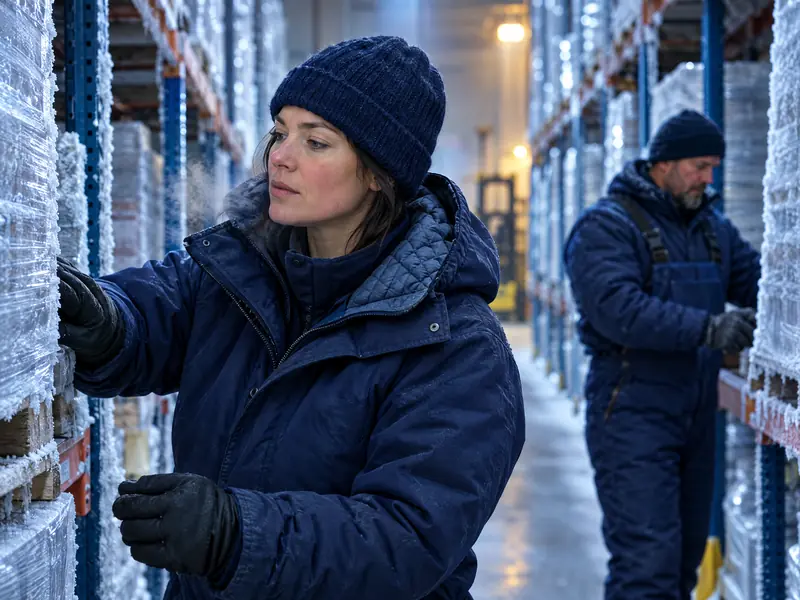
From cold store to open site: layers that keep the heat in.
See details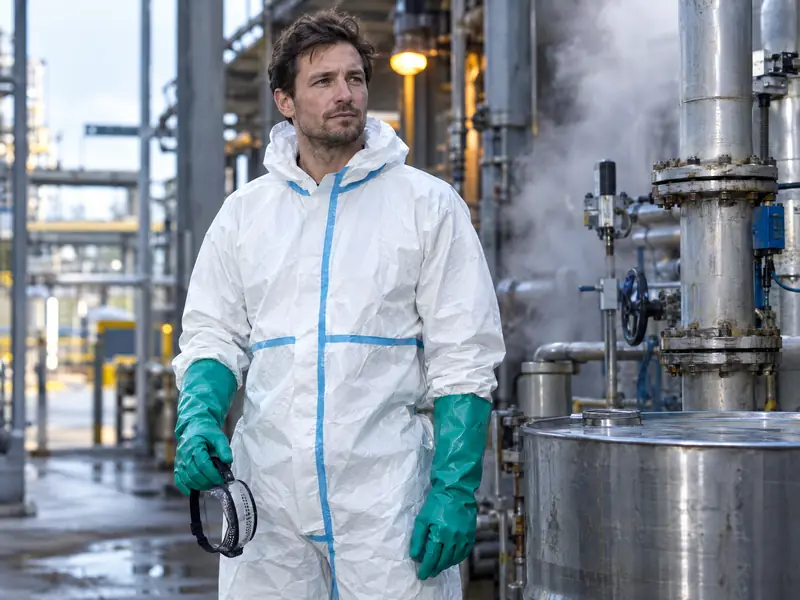
A barrier against liquid chemical splash, dust and contamination.
See details
Related guides
All guidesEN ISO 20471 classes explained: hi-vis class 1, 2 and 3
Where high visibility clothing classes come from: area thresholds, the class 3 design rule, combined garments, labels, logos and when to retire a garment.
Read the guide
How to wash workwear: temperatures, cycles and care for hi-vis, FR and antistatic clothing
Reading the care label, temperature and cycle by garment, stain pre-treatment, clothing that must not be washed at home, and care for hi-vis, FR and antistatic garments and safety footwear.
Read the guide
Frequently asked questions
Which visibility class do we need?
Vehicle speed and sightlines in the working area decide. A lower class may suffice in pedestrian-led warehouse areas, while the highest class is preferred on roads and sites with heavy vehicle traffic.
Does logo printing affect visibility?
Yes. Printing and embroidery reduce the fluorescent surface and can lower the class. Application area and size are therefore planned so that the surface required by the standard is preserved.
Does a vest on its own count as high-visibility?
It depends on the required class. A vest generally satisfies the lower class; where a higher class is required, hi-vis trousers or a full set are needed, since the visible area must be maintained both standing and bending.
When should hi-vis clothing be withdrawn?
When it stops returning light. Fluorescent backing fades in sunlight and reflective tape loses brightness when caked with mud; a weekly torch check is the simplest control.
Does dirty hi-vis clothing still protect?
Partly. When the fluorescent surface is covered with dirt, daytime visibility drops markedly; when retroreflective tape is covered with mud, night performance is almost entirely lost. Regular washing is part of the protection.
Is yellow or orange more visible?
It depends on the background. Against green vegetation and grey asphalt fluorescent yellow stands out; against snow and light surfaces orange separates better. On mixed sites, models combining both colours are preferred.
Request a quote for this group
Tell us your headcount, the hazards on site and your delivery schedule; we will work out the fabric options, branding and pricing together.
Currently for corporate supply and wholesale custom production; retail coming soon.
Quote request
Fill in the form and we will come back to you the same working day. You can also reach us on WhatsApp.