Technical protective clothing
Flame-retardant (FR) clothing
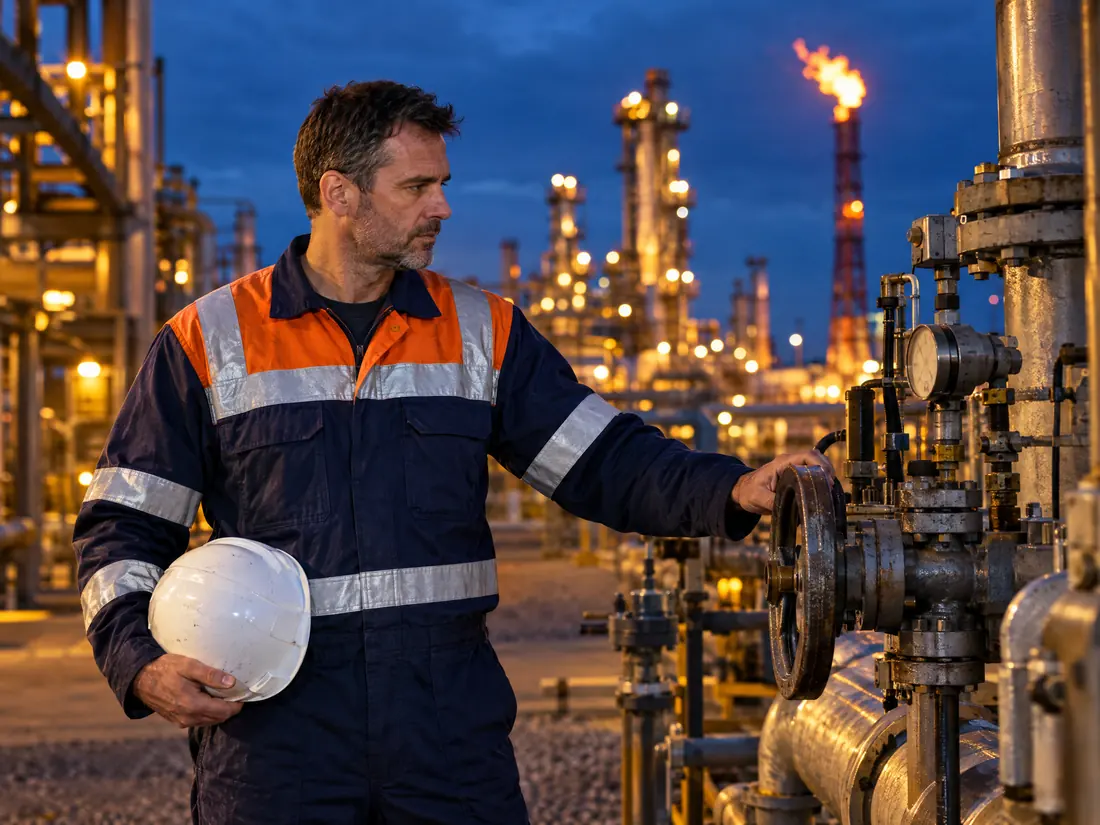
Flame-retardant clothing is made from fabric that does not spread flame when ignited and self-extinguishes once the flame source is removed. The aim is not to prevent burning entirely but to buy the wearer escape time and reduce burn severity.
- Main group
- Technical protective clothing
- Product types
- 9
- Standards
- EN ISO 11612 · EN ISO 14116 · EN 1149
- Industries
- 2
Protection in this group does not come from the fabric alone; sewing thread, zips, snaps and labels must also be flame retardant. An FR coverall sewn with standard polyester thread fails at the seams.
If flame retardancy comes from the fibre itself (inherent FR) it does not wash out; if it was added by chemical treatment, performance drops after a set number of washes. Replacement cycles are planned against that distinction.
Where there is electric arc risk, the garment's arc rating is assessed separately; protection against heat and flame is not the same thing as arc protection.
The most critical decision in flame-retardant clothing is whether the protection comes from the fibre itself or from a treatment applied afterwards. Inherent protection costs more but lasts the life of the garment; treated fabric is cheaper but loses performance after a set number of washes. The cost calculation should be made over service life, not purchase price.
It is often forgotten that the garment alone is not enough. A synthetic base layer worn under a flame-retardant coverall melts during an arc event and worsens the injury. Gloves, helmet and footwear must be chosen against the same risk; protection is only as good as its weakest link.
Products in this group
- Inherent or treated flame-retardant fabric options
- FR sewing thread, covered zips and concealed metal fittings
- Combinations with antistatic properties
- Fabric classification by wash durability
- FR-compatible logo and reflective application
Related standards
3 Standard
EN ISO 11612
Protective clothing against heat and flame
EN ISO 14116
Protection against limited flame spread
EN 1149
Electrostatic properties — antistatic clothing
Products in this group
09- FR coverall
- FR trousers
- Flame-retardant jacket
- Flame-retardant shirt
- Flame-retardant t-shirt
- Flame-retardant vest
- FR base layer
- Flame-retardant rainwear
- FR sleeve
Industries we serve
Related product groups
Technical protective clothing

For places where static discharge damages the product or the site.
See details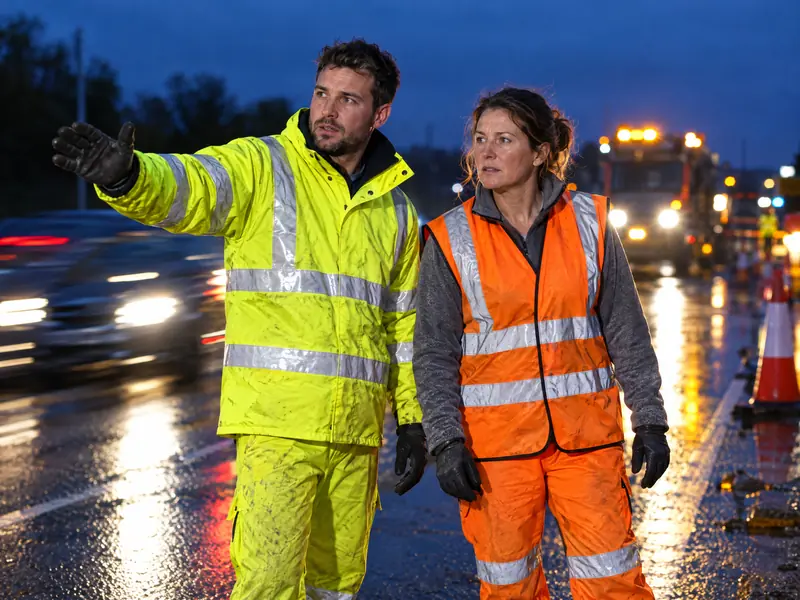
The group that raises visibility in poor light and vehicle traffic.
See details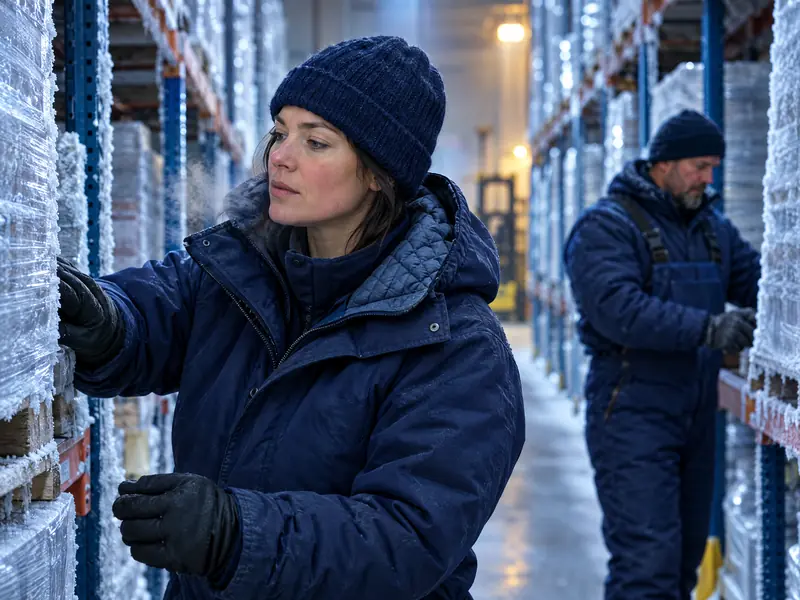
From cold store to open site: layers that keep the heat in.
See details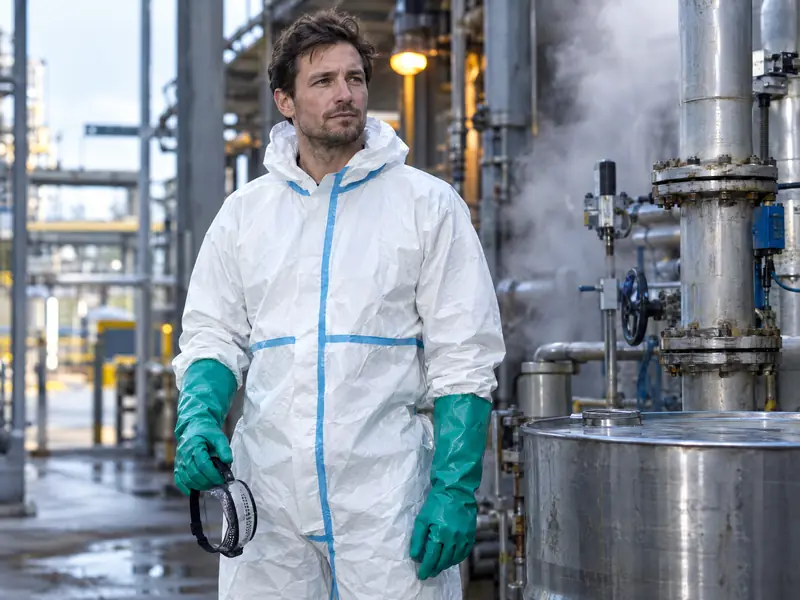
A barrier against liquid chemical splash, dust and contamination.
See details
Frequently asked questions
What should be worn under flame-retardant clothing?
Synthetic base layers must not be worn; they can melt against heat and adhere to the skin. Cotton or FR base layers should be used.
How many washes does FR clothing survive?
With inherent FR fabrics the protection lasts the life of the garment. With chemically treated fabrics, performance drops after a set number of washes; the care label governs.
How should flame-retardant clothing be washed?
Without fabric softener or bleach; both leave a film on the fibre that increases flammability. If industrial laundering is used, written instructions must be given to the facility, otherwise the protection can be lost within a few washes.
How do we know the garment still protects?
You cannot tell by eye, which is why wash counts are tracked. As the number on the label is approached the garment is replaced. Any hole, thinning or opened seam takes it out of service regardless of the count.
How do we know the garment still protects?
You cannot tell by eye, so wash counts are tracked and the garment is replaced as the labelled number approaches. Any hole, thinning or opened seam ends its service regardless.
What is worn under a flame-retardant coverall?
Cotton or a flame-retardant base layer. Synthetic base layers melt during an arc event and stick to the skin, which makes the injury worse.
Request a quote for this group
Tell us your headcount, the hazards on site and your delivery schedule; we will work out the fabric options, branding and pricing together.
Currently for corporate supply and wholesale custom production; retail coming soon.
Quote request
Fill in the form and we will come back to you the same working day. You can also reach us on WhatsApp.