

Hand protection
Mechanical protection gloves
Mechanical protection gloves cover the hand against abrasion, cut, tear and puncture. Performance is measured by four separate tests under EN 388 and expressed in the code on the glove.
- Main group
- Hand protection
- Product types
- 7
- Standards
- EN 388
- Industries
- 4
Coating decides grip: PU gives dexterity on fine work, nitrile coating grips oily surfaces, latex performs in wet conditions. The wrong coating leads the wearer to take the glove off.
In cut-resistant models, protection comes from glass fibre or high-performance fibres in the knit. Higher resistance is not always the right choice; an unnecessarily thick glove reduces dexterity.
Mechanical gloves are specified by four separate performance figures: abrasion, cut, tear and puncture. A high cut level does not imply high puncture resistance. Reading the figure that matches your actual hazard prevents both under-protection and paying for performance you do not need.
Grip is the overlooked half. A glove that protects but does not grip leads to dropped tools and workers removing it. Coating type is the deciding factor: nitrile for oily surfaces, polyurethane for fine dry work, latex for general wet handling.
Products in this group
- Selection by the four-digit EN 388 performance code
- PU, nitrile and latex coating alternatives
- Cut-resistant knit options
- Leather and leather-fabric combinations
- Touchscreen-compatible fingertips
Related standards
1 Standard
EN 388
Gloves against mechanical risks
Products in this group
07- PU coated glove
- Nitrile coated glove
- Cut resistant glove
- Knitted glove
- Leather glove
- Leather-fabric combination glove
- Touchscreen glove
Related product groups
Hand protection
A group whose material is chosen against the chemical involved.
See details
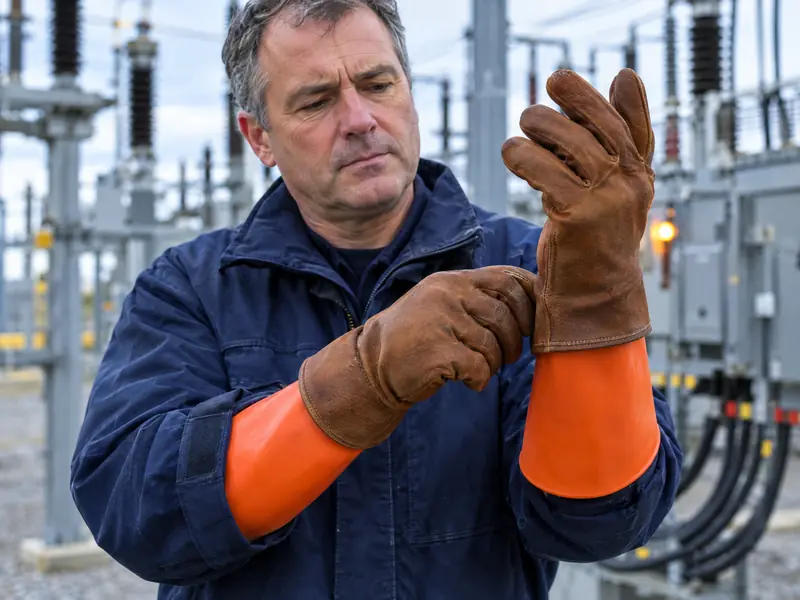
For areas needing electrical insulation or static control.
See details
A two-ended group: from the cold store to hygienic use.
See details
Frequently asked questions
Is the highest cut resistance always right?
Not always. Higher-resistance gloves are usually thicker and reduce dexterity; on small-part work the wearer may remove them. The right choice balances the level of risk against the precision the job requires.
Does a higher cut level mean a better glove?
Only if cutting is your hazard. High cut levels use stiffer yarns that reduce dexterity, and a glove too clumsy for the task gets taken off, which is worse than a lower level worn properly.
Are gloves washable?
Many knitted coated gloves survive low-temperature washing a few times. Washing does soften the coating and reduce grip, so it extends life modestly rather than indefinitely.
What do the digits after EN 388 mean?
They give abrasion, cut, tear and puncture performance in that order, with a further cut test letter on some products. A high cut figure does not imply high puncture resistance.
Are cut-resistant gloves really cut-proof?
No. They raise cut resistance but do not give unlimited protection; the stated level describes behaviour under a defined test load, so selection follows your actual hazard.
Request a quote for this group
Tell us your headcount, the hazards on site and your delivery schedule; we will work out the fabric options, branding and pricing together.
Currently for corporate supply and wholesale custom production; retail coming soon.
Quote request
Fill in the form and we will come back to you the same working day. You can also reach us on WhatsApp.