

Hand protection
Cold protection and disposable gloves
This group meets two different needs: thermal gloves that protect the hand in cold environments, and disposable gloves changed at every use for hygiene. What they share is that comfort directly translates into compliance.
- Main group
- Hand protection
- Product types
- 6
- Standards
- EN 374 · EN 511
- Industries
- 2
For cold protection gloves EN 511 measures convective cold, contact cold and water penetration. In cold stores, getting wet collapses insulation, so water resistance matters separately.
For disposable gloves, thickness and material are chosen by application: products declared suitable for food contact, or examination-grade gloves in healthcare.
This group covers two very different needs. Cold gloves keep the hand warm and functional in freezing work; disposable gloves prevent contamination in hygiene and light chemical handling. They are grouped together for supply convenience, not for similarity of use.
For disposable gloves, the deciding issues are material and powder. Nitrile has replaced latex in most facilities because of allergy risk, and powder-free versions are standard wherever contamination matters. Thickness is chosen against how long the glove stays on.
Products in this group
- Cold protection under EN 511
- Waterproof thermal models
- Disposable options suitable for food contact
- Powder-free nitrile alternatives
- Supply in bulk boxes and cases
Related standards
2 Standard
EN 374
Gloves against chemicals and micro-organisms
EN 511
Gloves against cold
Products in this group
06- Thermal glove
- Cold store glove
- Waterproof thermal glove
- Disposable nitrile glove
- Disposable latex glove
- Powder-free examination glove
Industries we serve
Related product groups
Hand protection
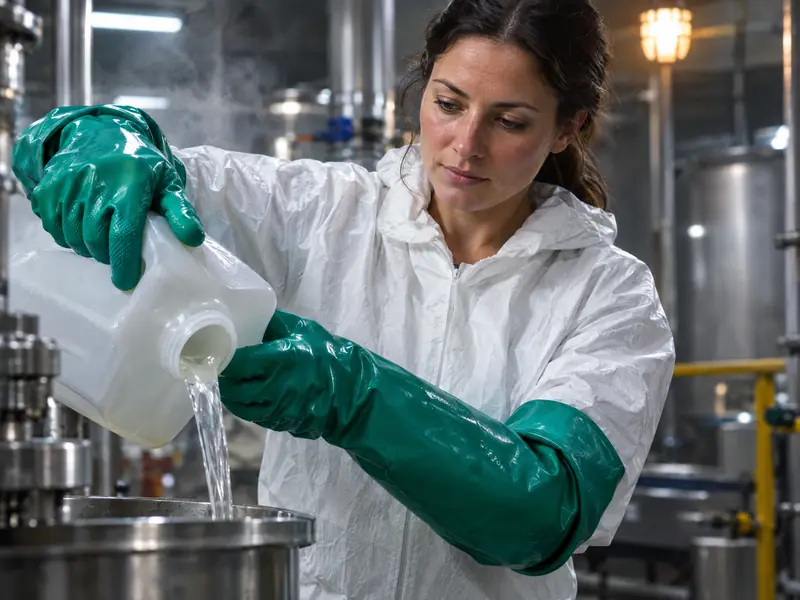
A group whose material is chosen against the chemical involved.
See details
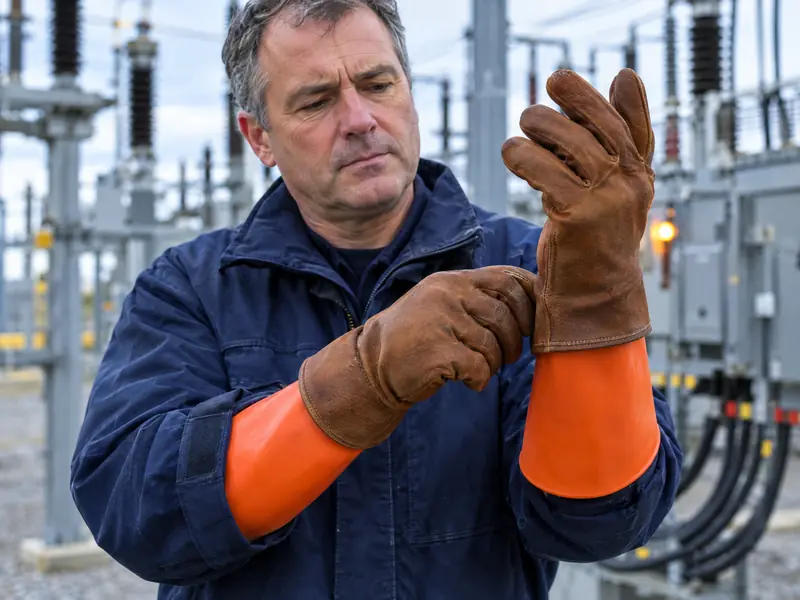
For areas needing electrical insulation or static control.
See details
Frequently asked questions
Which disposable glove suits food production?
Gloves declared suitable for food contact, usually powder-free nitrile, are preferred. Colour matters too: blue tones make a fragment easier to spot if it ends up in the product.
Are disposable gloves single-use in the literal sense?
Yes. They are not designed to be washed or reused; the material degrades and micro-tears form. Reusing them gives a false sense of protection.
Why do hands sweat inside cold gloves?
Because insulation without moisture management traps vapour. A thin wicking liner glove under the outer glove keeps the hand dry and, counter-intuitively, warmer.
Why are powder-free gloves preferred?
Powder creates a contamination risk and provokes reactions in some wearers. Powder-free versions have become the standard wherever cleanliness matters.
Why do hands sweat in cold gloves?
Insulation without moisture management traps vapour. A thin wicking liner glove under the outer glove keeps the hand dry and, counter-intuitively, warmer.
Request a quote for this group
Tell us your headcount, the hazards on site and your delivery schedule; we will work out the fabric options, branding and pricing together.
Currently for corporate supply and wholesale custom production; retail coming soon.
Quote request
Fill in the form and we will come back to you the same working day. You can also reach us on WhatsApp.