
Hand protection
Electrical and antistatic gloves
Electrical and antistatic gloves address two different hazards: insulating gloves protect the wearer from electric current, while antistatic gloves let static charge dissipate in a controlled way to protect the product and the environment.
- Main group
- Hand protection
- Product types
- 5
- Standards
- EN 388
- Industries
- 1
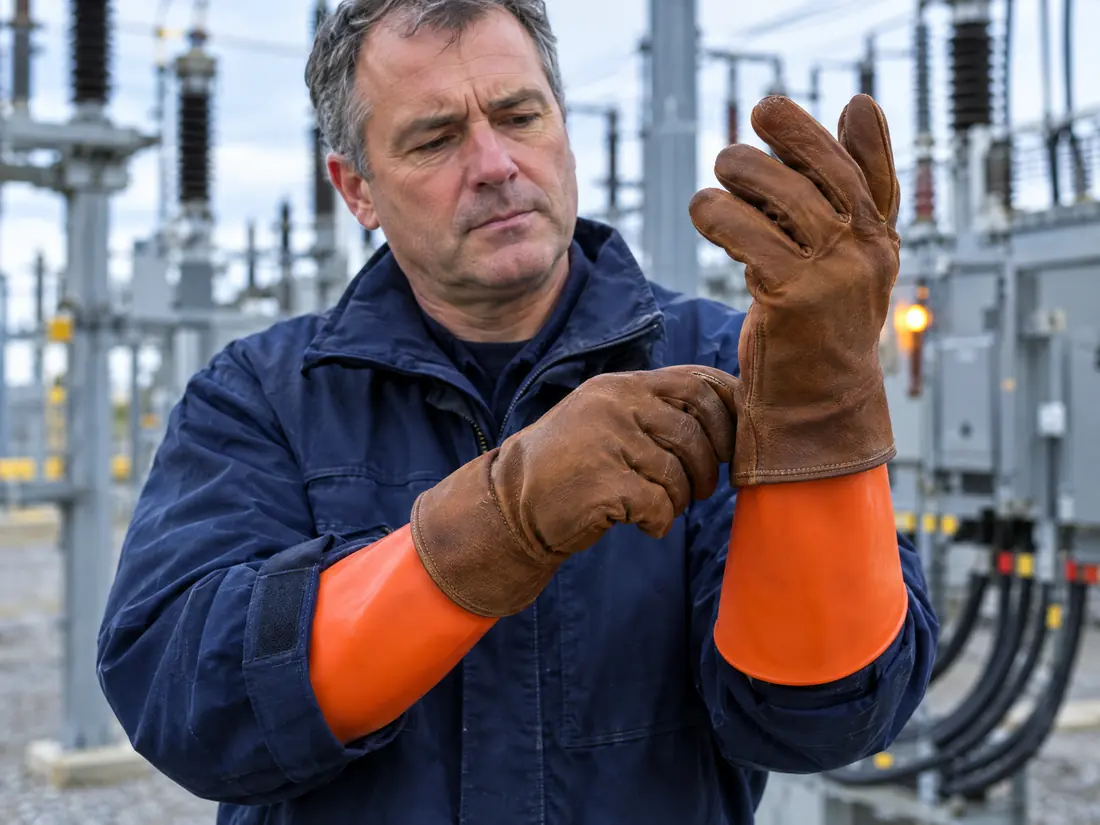
Insulating gloves are chosen by voltage class and must be tested regularly. Punctures, wear or chemical contact can destroy the insulation, so a visual and air-leak check is carried out before every use.
The outer surface of an insulating glove is exposed to mechanical damage; a leather over-glove is normally worn on top.
Insulating gloves are the only glove group with a mandatory periodic test regime. They are electrically tested at fixed intervals, and the test date must be recorded on the glove. An untested glove is treated as no protection at all, however new it looks.
They are always worn with a leather overglove. The rubber that provides insulation has almost no mechanical resistance, and a single scratch can destroy the protection. The overglove takes the abrasion so the insulation survives.
Products in this group
- Insulating gloves by voltage class
- Leather over-gloves worn on top
- ESD-compatible antistatic models
- Compliance with periodic testing and records
- Thin fingertip dexterity for electronics assembly
Related standards
1 Standard
EN 388
Gloves against mechanical risks
Products in this group
05- Electrician glove
- Insulating glove
- Leather over-glove
- Antistatic glove
- ESD glove
Industries we serve
Related product groups
Hand protection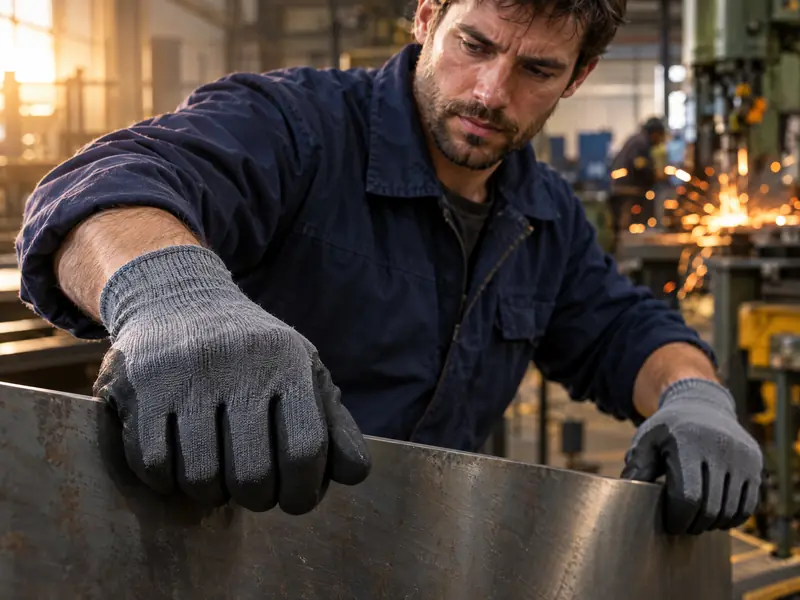

A group whose material is chosen against the chemical involved.
See details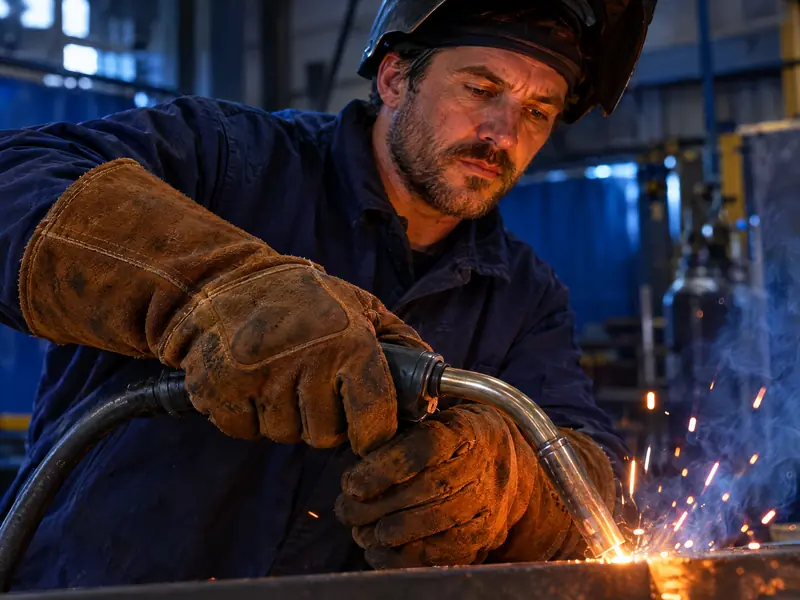

A two-ended group: from the cold store to hygienic use.
See details
Frequently asked questions
How often should insulating gloves be checked?
Visually and by air inflation before every use, and periodically tested in line with regulation and the manufacturer's instructions. Test records are requested during inspections.
How is the class chosen?
By the working voltage, with the class always above it. The class is stamped on the glove and is colour-coded; the selection is made from the electrical work procedure, not from experience.
How are they stored?
Flat or hanging in their own box, away from sunlight, ozone sources and sharp objects. Folded storage causes cracks along the fold line, which is the most common cause of failed tests.
How is the class selected?
By the working voltage, with the class always above it. The class is stamped on the glove and colour-coded, and the selection follows the electrical work procedure rather than experience.
Why wear a leather over-glove?
The rubber that provides insulation has almost no mechanical resistance and a single scratch can destroy the protection. The over-glove takes the abrasion so the insulation survives.
Request a quote for this group
Tell us your headcount, the hazards on site and your delivery schedule; we will work out the fabric options, branding and pricing together.
Currently for corporate supply and wholesale custom production; retail coming soon.
Quote request
Fill in the form and we will come back to you the same working day. You can also reach us on WhatsApp.