Hand protection
Heat and welding gloves
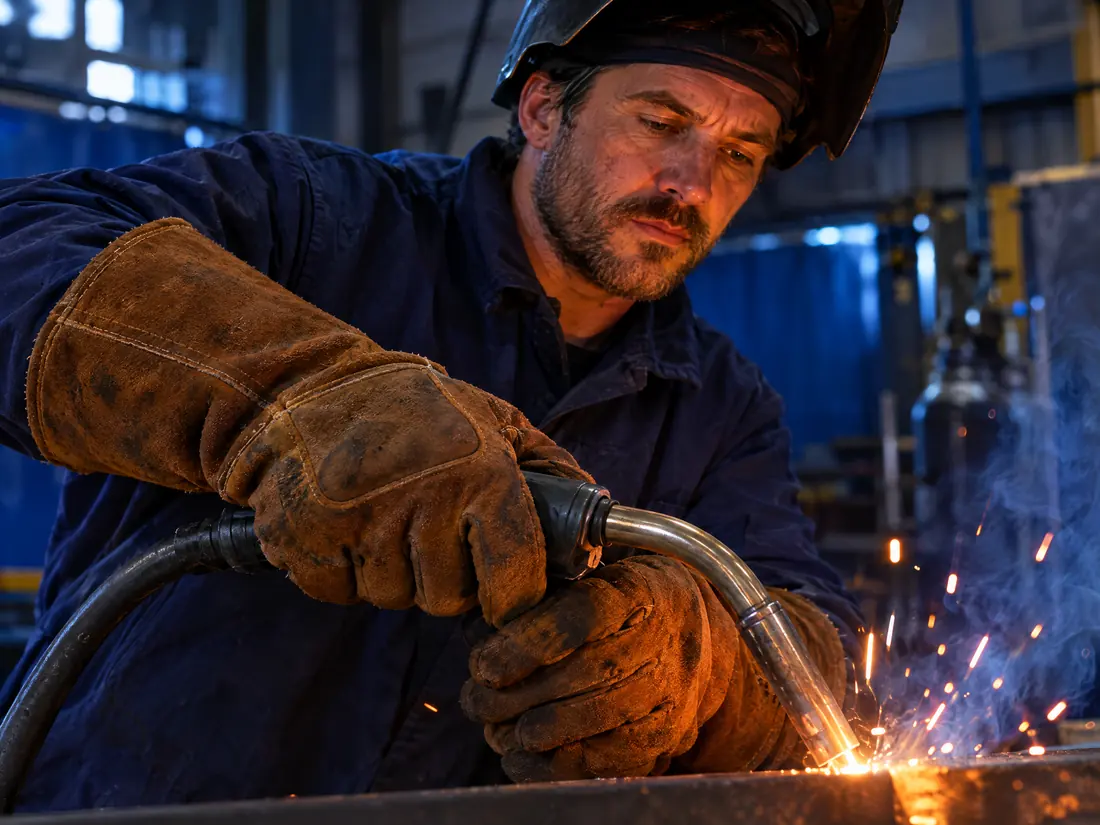
Heat and welding gloves protect against contact heat, sparks and molten metal spatter. EN 407 tests flammability, contact heat, heat transmission and molten metal droplets separately.
- Main group
- Hand protection
- Product types
- 6
- Standards
- EN 388 · EN 407
- Industries
- 1
The glove changes with the welding process: TIG welding needs dexterity and favours thin leather, while MIG and stick welding use thicker, long-cuff models.
The forearm is often overlooked; spattering metal finds the gap between wrist and elbow. A sleeve closes it.
Heat gloves are selected by the type of heat: contact heat from touching a hot surface, radiant heat from standing near one, and convective heat from flame. A glove rated for one is not automatically rated for the others, and the difference shows immediately in practice.
In welding, glove choice follows the process. Stick and MIG welding call for a thick, heavily insulated glove; TIG welding calls for a thin, supple one because the wire must be felt. A single glove type across a workshop always compromises one of the two.
Products in this group
- Model selection for TIG, MIG and stick welding
- Long cuff with protected seams
- Heat-resistant lining
- Sleeve and gaiter completers
- High contact-heat models for furnace and foundry work
Related standards
2 Standard
EN 388
Gloves against mechanical risks
EN 407
Gloves against thermal risks
Products in this group
06- Welding glove
- TIG welding glove
- MIG welding glove
- Heat resistant glove
- Furnace glove
- Leather sleeve
Industries we serve
Related product groups
Hand protection
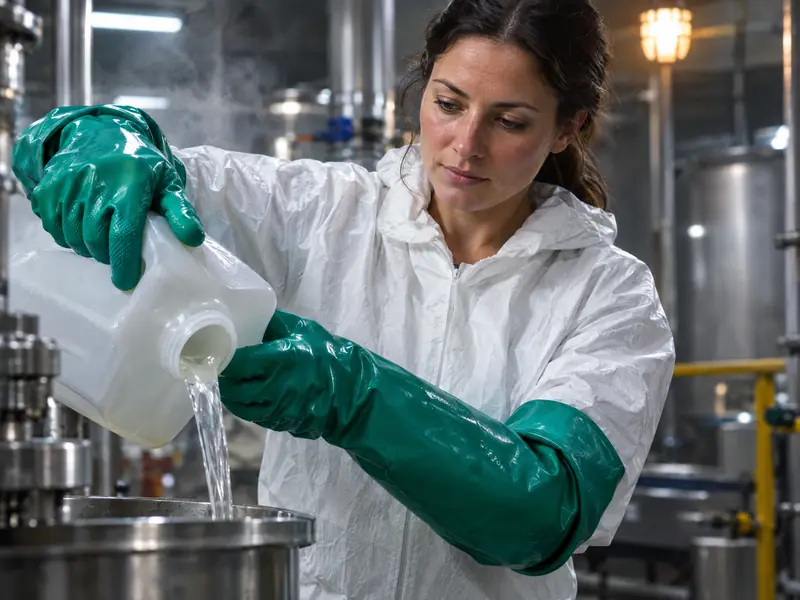
A group whose material is chosen against the chemical involved.
See details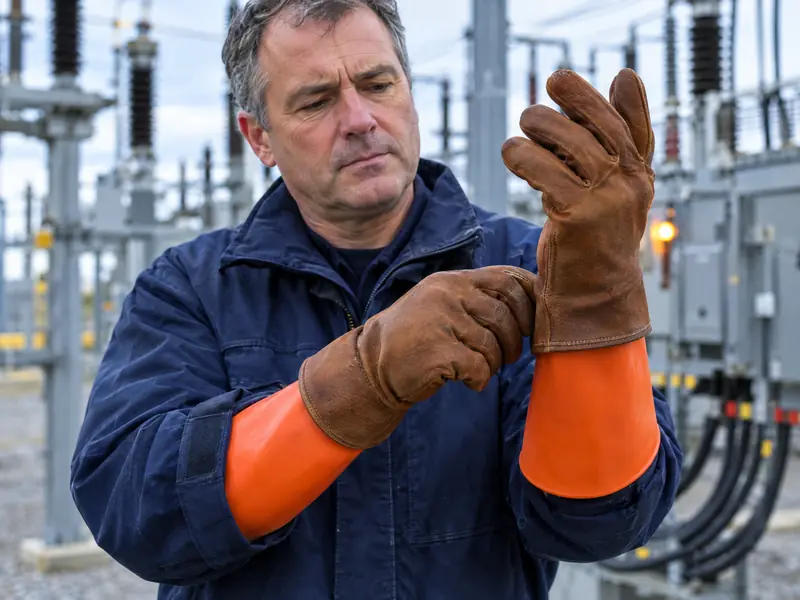
For areas needing electrical insulation or static control.
See details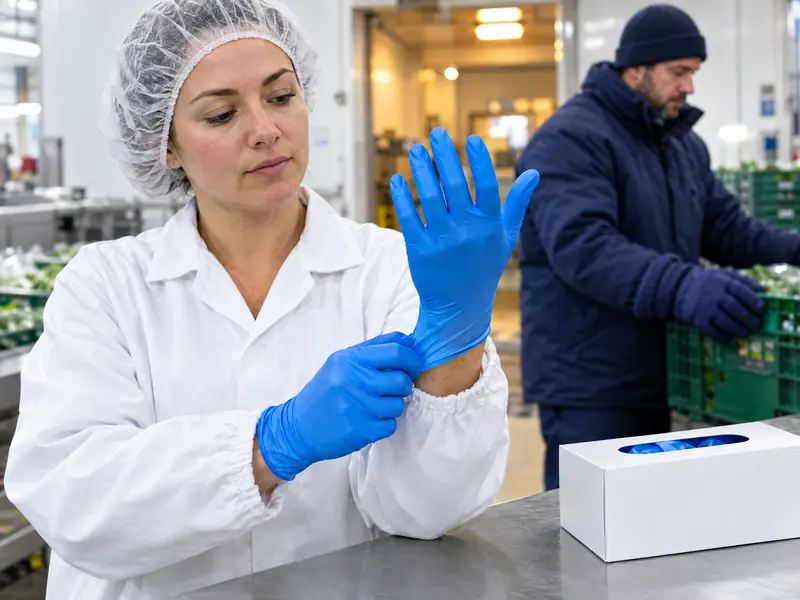
A two-ended group: from the cold store to hygienic use.
See details
Frequently asked questions
When should a welding glove be replaced?
Immediately, whenever seams open or the leather hardens, cracks or is punctured. Heat hardens leather over time and protective performance can drop without visible damage.
Does a thicker glove always protect longer?
Against contact heat, generally yes, but it costs dexterity. For brief contact a medium glove worn correctly protects better in practice than a thick one that is removed to do the job.
Leather or aramid?
Leather resists spatter and abrasion and is standard for welding. Aramid fabric withstands higher sustained temperatures and is preferred in foundry and glass work.
Does a thicker glove always protect longer?
Against contact heat, generally yes, but at the cost of dexterity. For brief contact, a medium glove worn correctly protects better than a thick one removed to do the job.
Leather or aramid?
Leather resists spatter and abrasion and is the welding standard. Aramid fabric withstands higher sustained temperatures and is preferred in foundry and glass work.
Request a quote for this group
Tell us your headcount, the hazards on site and your delivery schedule; we will work out the fabric options, branding and pricing together.
Currently for corporate supply and wholesale custom production; retail coming soon.
Quote request
Fill in the form and we will come back to you the same working day. You can also reach us on WhatsApp.