Industry uniforms
Chef and kitchen wear
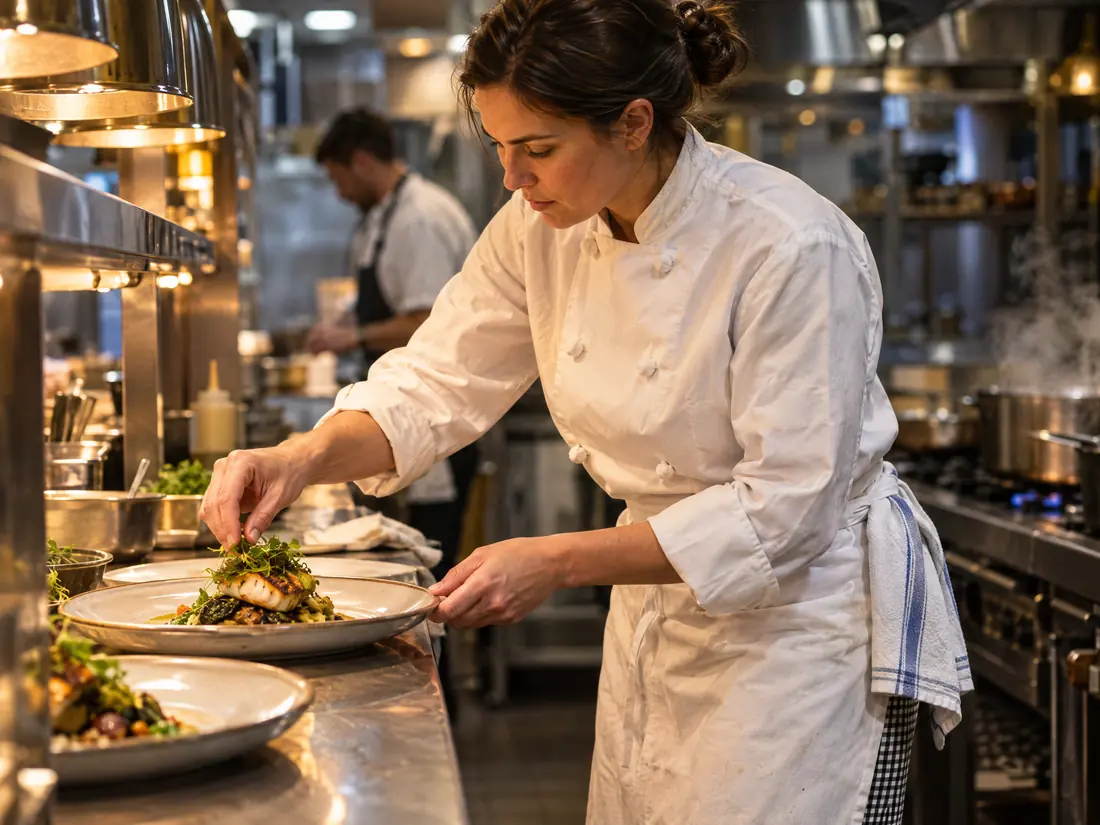
Chef wear is service clothing built for high temperature, splashing oil and heavy washing. In a kitchen, clothing is both a hygiene layer and the first barrier against hot surfaces.
- Main group
- Industry uniforms
- Product types
- 9
- Standards
- —
- Industries
- 2
The double-breasted front of a classic chef jacket is not only aesthetic: in case of a splash, the top layer can be reversed to bring a clean surface forward. The densely woven fabric also acts as a short-term buffer against hot liquid.
In catering kitchens, washing is the most discussed subject. For garments washed hot and often, colour fastness and shape retention are the main fabric criteria.
Choosing kitchen clothing is a matter of heat management. A chef working at the range and one working in a cold kitchen do not use the same fabric weight. The hot line calls for light, breathable fabric and mesh back panels; the cold line for heavier, long-sleeved models.
Long sleeves in chef wear are a safety feature: they shield the forearm from splashing oil and steam. When a short-sleeve request comes in, it should be discussed as a risk decision; the middle answer is a long sleeve that rolls up and buttons in place.
Products in this group
- Classic and modern cut double-breasted chef jackets
- Fabric suitable for hot washing
- Separate colour scheme for chefs, commis and dishwashing crews
- Name embroidery and restaurant logo application
- Aprons, caps, bandanas and neckerchiefs
Products in this group
09- Chef jacket
- Chef trousers
- Chef shirt
- Chef apron
- Waist apron
- Chef cap
- Chef bandana
- Chef skull cap
- Kitchen neckerchief
Industries we serve
Related product groups
Industry uniforms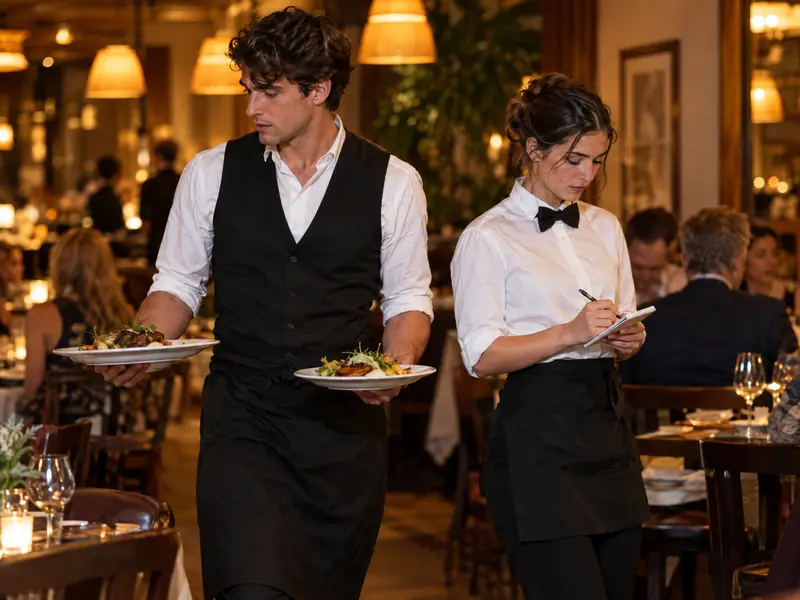
The guest's first eye contact with the brand: the service team.
See details



For the team that moves between the office and the site.
See details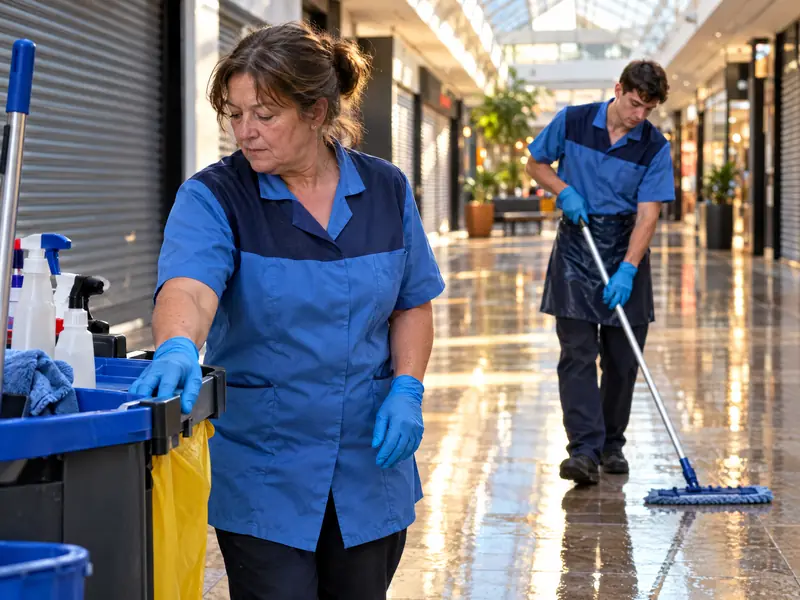
A set in contact with chemicals, washed often, recognised from afar.
See details
Frequently asked questions
Which fabric is preferred for chef jackets?
Busy kitchens favour cotton-rich fabrics that wash hot and breathe. High-polyester fabrics crease less but can reduce comfort in a hot environment; the balance is set by how intensive the kitchen is.
Can staff names be embroidered?
Yes. Name and title embroidery on the chest is common; because it requires re-production when staff change, it is usually applied to the chef team.
Why are chef jacket buttons made of cloth?
Plastic buttons deform in heat and do not survive hot washing. Knotted cloth buttons resist heat and are easy to replace when one comes off.
How long should the apron be?
A long apron below the knee gives the widest protection against splashes; for chefs who step into the service area a waist apron is preferred. Producing both types in one order is common.
Why is a chef jacket double-breasted?
The double layer shields the torso from heat and splash, and the front panel can be reversed when it is soiled, which is a fast fix during service.
Which footwear belongs in a kitchen?
Closed-toe, water-repellent shoes with a slip-resistant sole. Wet, greasy floors are the most common cause of kitchen accidents and the outsole compound is what decides the outcome.
Request a quote for this group
Tell us your headcount, the hazards on site and your delivery schedule; we will work out the fabric options, branding and pricing together.
Currently for corporate supply and wholesale custom production; retail coming soon.
Quote request
Fill in the form and we will come back to you the same working day. You can also reach us on WhatsApp.