Foot protection
Foot protection accessories
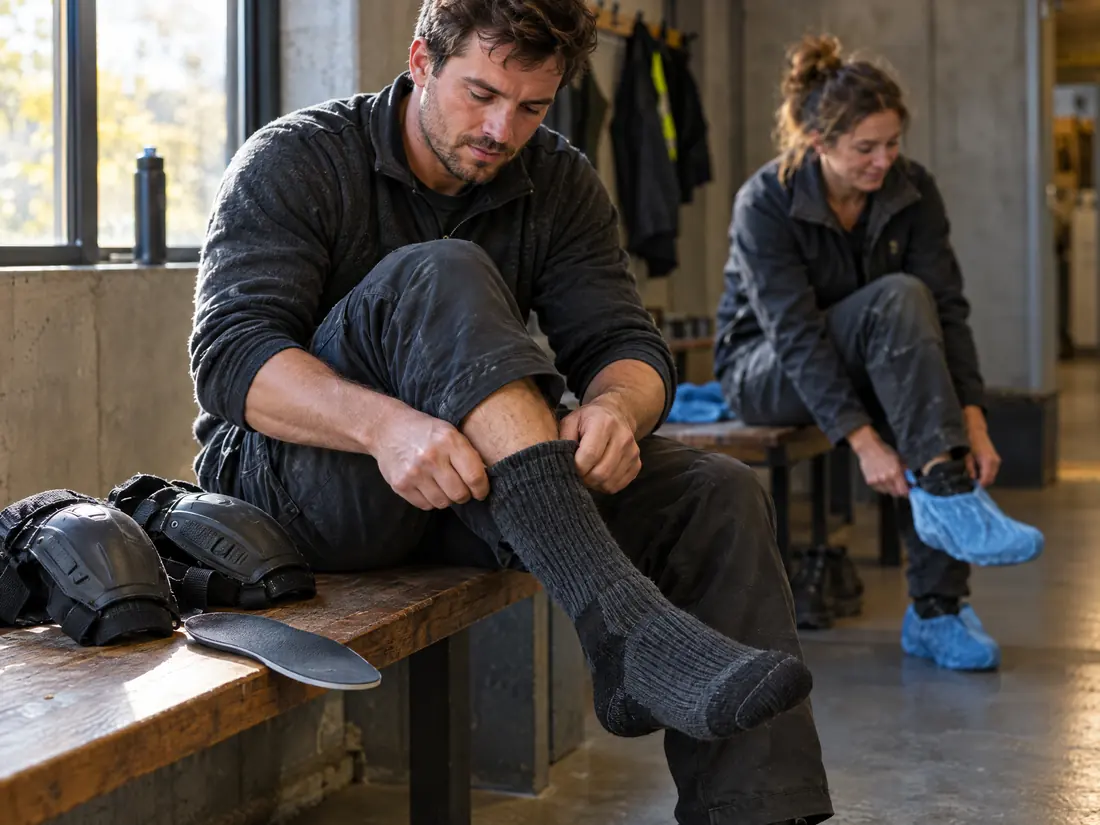
Foot protection accessories complete the performance of the footwear. The right sock manages moisture, a knee pad reduces joint load for crews working crouched, and overshoes maintain hygiene during visitor movement.
- Main group
- Foot protection
- Product types
- 6
- Standards
- —
- Industries
- 1
Socks are skipped on most supply lists but determine foot health: cotton holds moisture, while technical yarns move it away and reduce fungal risk.
Knee pads are chosen against the surface: gel fill for hard concrete, rigid-shell models for prolonged work.
Accessories are where footwear performance is preserved or lost. An insole that has collapsed makes a good boot uncomfortable; the right sock keeps the foot dry and prevents blisters. These are low-cost items and replacing them on a schedule is cheaper than replacing footwear early.
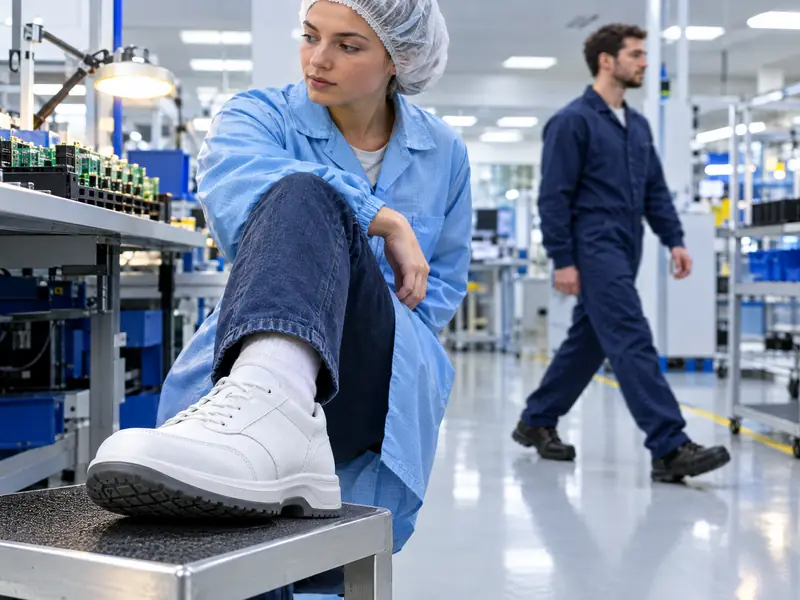
Visitor and clean-area accessories are a separate group. Overshoes and disposable covers protect the area rather than the wearer, and their quantity should be planned against visitor traffic so the supply never runs out at the door.
Products in this group
- Moisture-wicking technical work socks
- Thermal winter socks
- Gel-filled and rigid-shell knee pads
- Visitor overshoes
- Over-shoe protectors
Products in this group
06- Work socks
- Thermal socks
- Gel knee pads
- Work knee pads
- Overshoes
- Shoe protector
Industries we serve
Related product groups
Foot protection
Frequently asked questions
Why choose work socks separately?
Foot protection products are closed constructions and moisture builds up inside. Technical socks that move moisture out directly affect both comfort and foot health; cotton socks trap moisture and make the problem worse.
How often should insoles be replaced?
In heavy daily use, every few months; the sign is a flattened heel area and returning foot fatigue. A fresh insole restores much of the original comfort.
Do anti-slip overshoes work on ice?
Studded overshoes noticeably improve grip on ice and hard-packed snow, but they are unsafe on smooth indoor floors and must be removed at the door.
Why plan work socks separately?
The right sock keeps the foot dry and prevents blisters. Cotton socks stay wet once you sweat, while a moisture-wicking technical sock visibly improves how a good boot performs.
How many overshoes should we hold?
Enough that the supply never runs out at the door. Overshoes protect the area rather than the wearer, so the quantity follows visitor traffic.
Request a quote for this group
Tell us your headcount, the hazards on site and your delivery schedule; we will work out the fabric options, branding and pricing together.
Currently for corporate supply and wholesale custom production; retail coming soon.
Quote request
Fill in the form and we will come back to you the same working day. You can also reach us on WhatsApp.